Most asphalt-shingle roof replacements on an average single-family home need just 1 to 2 days of actual on-roof work, but the full process, from estimate to final inspection, usually takes 1 to 2 days of on-roof work spread across a 1 to 3 week window. Complex rooflines, decking repairs, specialty materials, permits, or weather can stretch that to several weeks. The best first step is a contractor inspection paired with a written timeline that includes contingencies for what the crew might find once the old roof comes off.
Quotes often arrive within a day or two, but busy spring and early fall calendars, storm backlogs, and permits can delay the start by weeks.
Localized decking repairs usually add hours or a day; multiple roof layers or older materials containing asbestos can add a day or more.
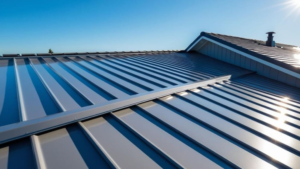
Metal, tile, and slate roofs take longer than asphalt shingles because heavier materials require specialized fastening; crews should not rush flashing around roof openings.
Clear vehicles, patio furniture, and nearby branches before arrival, and have insurance records and prior inspection reports ready if damage appears.
Table of Contents
-
How long do estimates and scheduling take before work starts?
-
What happens during tear-off, and how do deck repairs change the schedule?
-
How does installation work, and how much does material choice matter?
-
What factors most commonly extend a roof replacement timeline?
-
What do industry guidelines say about replacement timing and quality?
How long does each stage of roof replacement take?
A roof replacement moves through several distinct stages, and knowing where time typically goes helps you spot a schedule that is running long before it becomes a problem.
-
Assessment and estimate: a contractor visit or aerial measurement usually produces a written estimate within hours to a few days.
-
Scheduling and permits: securing a start date and any required permit can take anywhere from a few days to several weeks depending on the season and your local permit office.
-
Tear-off and debris removal: stripping the old roofing material down to the decking is often finished the same day for a typical home.
-
Decking inspection and repairs: contractors check the exposed decking for rot or soft spots, adding hours or an extra day if repairs are needed.
-
New roof installation: underlayment, flashing, and shingles typically go on in 1 to 2 days for standard asphalt shingle roofs, longer for specialty materials.
-
Final inspection, cleanup, and paperwork: a walk-through, magnetic sweep for nails, and warranty paperwork generally wrap up the same day or within a few days.
Each of these stages can run faster or slower depending on your roof’s size, pitch, and the crew’s schedule, but this sequence holds for nearly every residential replacement.
How long do estimates and scheduling take before work starts?
Before any tear-off happens, your contractor needs to measure, quote, and slot your project into their calendar. This stage often determines your actual start date more than anything that happens on the roof itself.
-
A visual inspection or aerial measurement tool can produce a quote within a day or two for most homes.
-
Spring and early fall tend to be the busiest booking windows, which can push your start date out by weeks.
-
A major storm in your area can create a backlog that extends scheduling further, since contractors prioritize emergency repairs first.
-
Permit approval timelines vary widely by municipality, from same-day issuance to a couple of weeks.
Pro Tip: Ask your contractor for a written start date, an estimated completion window, and what happens to that timeline if decking repairs or weather delays come up.
What happens during tear-off, and how do deck repairs change the schedule?
Tear-off is usually the fastest visible stage. Crews strip old shingles, underlayment, and flashing down to bare decking, loading debris directly into a staged dumpster or trailer parked close to the house.
-
A standard single-layer asphalt roof on an average home is often torn off in a few hours to a full day.
-
Once decking is exposed, crews look for soft spots, discoloration, or rot, the most common sign that water has been getting underneath the old roofing.
-
When repairs are needed, contractors typically quote extra time in hours-to-a-day increments rather than reworking the entire schedule, since most decking issues are localized.
-
Multiple layers of old roofing, or materials like older asbestos-containing products, require extra removal steps and can add a day or more.
How does installation work, and how much does material choice matter?
Installation follows a set order: underlayment goes down first, then flashing around chimneys, vents, and skylights, then starter shingles along the edges, field shingles across the main roof, and ridge cap last.
-
Asphalt shingle installs are the fastest due to lightweight material and straightforward nailing patterns.
-
Metal, tile, and slate roofs take longer because of heavier units, specialized fastening methods, and more careful handling during installation.
-
Crew size and equipment staging affect speed directly: a well-staged job site with materials hoisted and ready moves faster than one with constant trips back to a supply truck.
Pro tip: proper flashing integration around skylights and other penetrations is one of the details building science guidance flags as critical, since skipping steps here to save time is a common source of leaks years later.
Pro Tip: A roof that goes up fast but skips flashing details often costs more in repairs than the time it saved during installation.
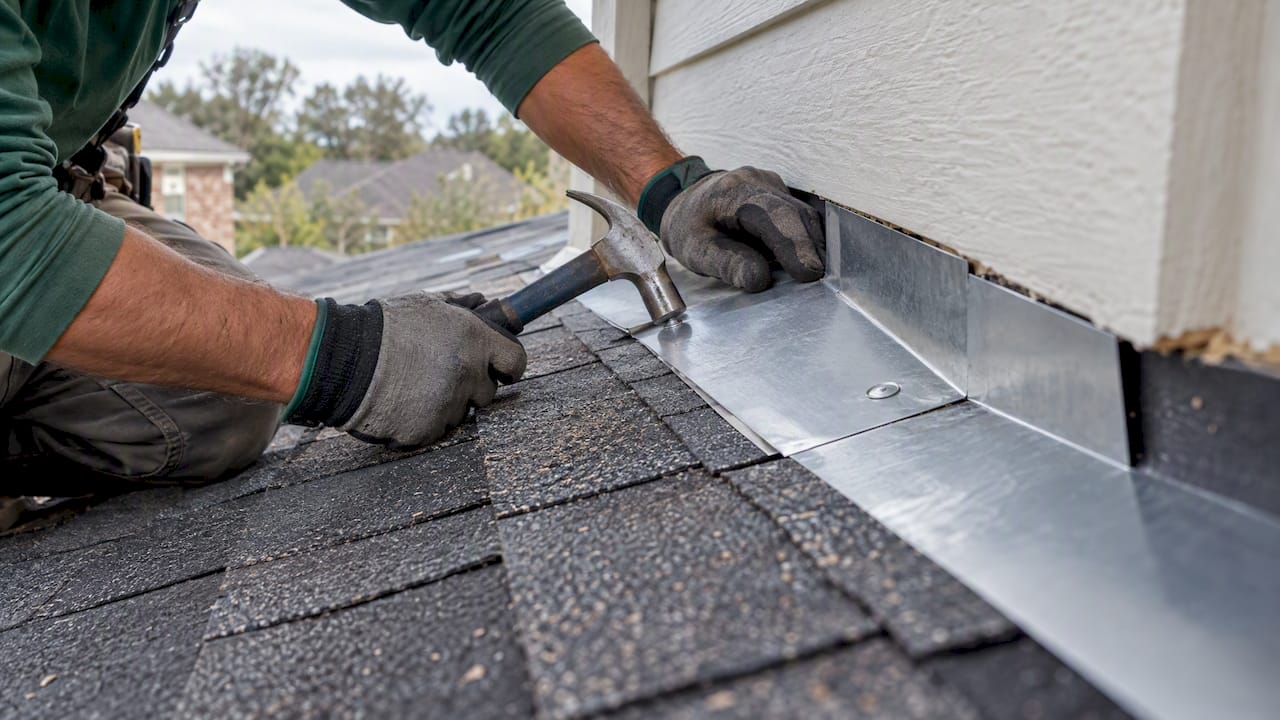
If you are weighing a metal roof installation, expect more time on site than a standard shingle job, largely due to panel handling and seam work.
What factors most commonly extend a roof replacement timeline?
Before you lock in a start date, run through this list to gauge whether your project is likely to move faster or slower than average.
-
Weather windows: rain, high wind, or extreme heat can pause work entirely for safety and material performance reasons.
-
Roof size, pitch, and penetrations: a steep roof with many vents, skylights, or chimneys takes longer than a simple gable roof of the same square footage.
-
Site access: tight driveways, overhanging trees, or fences near the work area slow down material staging and debris removal.
-
Material availability: common asphalt shingles are usually in stock, but specialty tile, slate, or metal panels may need to be special ordered.
-
Permits and insurance: permit approval and insurance claim processing can each add days to weeks before work even starts.
-
Hidden structural repairs: decking or flashing damage discovered mid-project is the single most common reason a short job runs long.
What can you do to keep your roof replacement on schedule?
A lot of avoidable delay comes down to preparation on your end rather than anything the crew controls once they arrive.
-
Clear vehicles, move patio furniture, and trim back branches near the roofline before the crew arrives.
-
Ask whether your contractor handles the permit application and confirm it has been submitted before your scheduled start date.
-
Choose commonly stocked shingle colors and styles when possible, or order specialty materials well ahead of your target date.
-
Request a written timeline that spells out contingency allowances and how change orders for unexpected repairs get approved.
-
Have your insurance documentation and any prior inspection reports ready in case decking or storm damage comes up.
Pro Tip: Walk your yard the day before the crew arrives and remove anything breakable within about 15 feet of the house, since debris and dropped tools land farther than most homeowners expect.
What do industry guidelines say about replacement timing and quality?
Industry references back up what shows up consistently in the field: speed matters less than getting the sequence right.
-
The NRCA’s reroofing guidance outlines replacement triggers, including decking condition, that can shift a project from a simple re-cover to a full tear-off with added time.
-
Building science resources emphasize that flashing and underlayment sequencing around penetrations matters more for long-term performance than finishing a day early.
-
Free inspections and a five-year workmanship warranty give homeowners a documented starting point before any work begins, which helps set realistic expectations about scope and duration.
A contractor’s perspective on realistic roof timelines
Homeowners who budget extra time and money for decking repairs rarely feel blind sided. The schedule that looks tight on paper is usually the one that gets disrupted the moment hidden rot shows up.
How Stalwart Roofing keeps your roof replacement on track
We start every project with a free inspection, so you get an honest look at your decking, flashing, and overall roof condition before any contract is signed. That inspection becomes the foundation for a written timeline, which means fewer surprises once tear-off begins.

-
Free inspections identify decking or flashing issues before they turn into mid-project surprises.
-
Roof replacements come with a workmanship warranty on completed work.
-
We walk through contingency plans with you upfront, so a decking repair never derails your whole schedule.
If you want a clear, documented start date and timeline for your home, schedule a free roof inspection or get a quote through our residential roofing services page today.
FAQ
What is the average timeframe for roof replacement?
Most asphalt shingle roofs on an average home take 1 to 2 days of on-roof work, with the full process from estimate to final inspection typically spanning 1 to 3 weeks. Weather, decking repairs, and material choice can extend that range.
How long does a roof last before replacing?
A roof’s lifespan depends heavily on material, climate, and installation quality, so there is no single number that applies to every home. The NRCA’s assessment guidelines recommend evaluating remaining service life and specific replacement triggers, like decking damage or widespread wear, rather than relying on age alone.
What are the stages of roof replacement?
The typical sequence runs from assessment and estimate, through scheduling and permits, tear-off, decking inspection and repairs, new roof installation, and final cleanup and inspection. Each stage has its own duration range, with installation of a standard asphalt roof usually finishing in 1 to 2 days.
Should I replace my roof after 15 years?
Age alone is not the deciding factor. The right approach is a professional inspection that checks for granule loss, decking condition, and flashing wear against the NRCA’s reroofing guidance, since a well-maintained 15-year-old roof may still have useful life left.
Sources
-
Flashing around a skylight with roof removal — Building Science Education
-
What to expect during roof replacement: timeline and tips — IKO