A new roof is one of the most valuable investments you can make in your home. Standing seam metal roofing has become a top choice for homeowners in and around Baton Rouge. It looks sleek, lasts a long time, resists weather, and saves energy. A standing seam roof is built to handle Louisiana’s tough climate for decades.
Knowing the standing seam metal roof installation process helps you know what to expect, from the first inspection to the final check. Your roofer handles the technical work. Understanding each stage helps you make good decisions and feel confident.
Why Choose a Standing Seam Metal Roof?
Standing seam is one of the most advanced metal roofing systems available today.
Homeowners choose standing seam metal roof installation because it offers:
- Exceptional durability
- Hidden fastener design
- Modern appearance
- Excellent weather resistance
- Low maintenance
- Long service life
- Improved energy efficiency
These benefits make standing seam a great investment for Louisiana homes.
Understanding the Standing Seam Roofing System
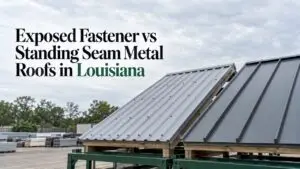
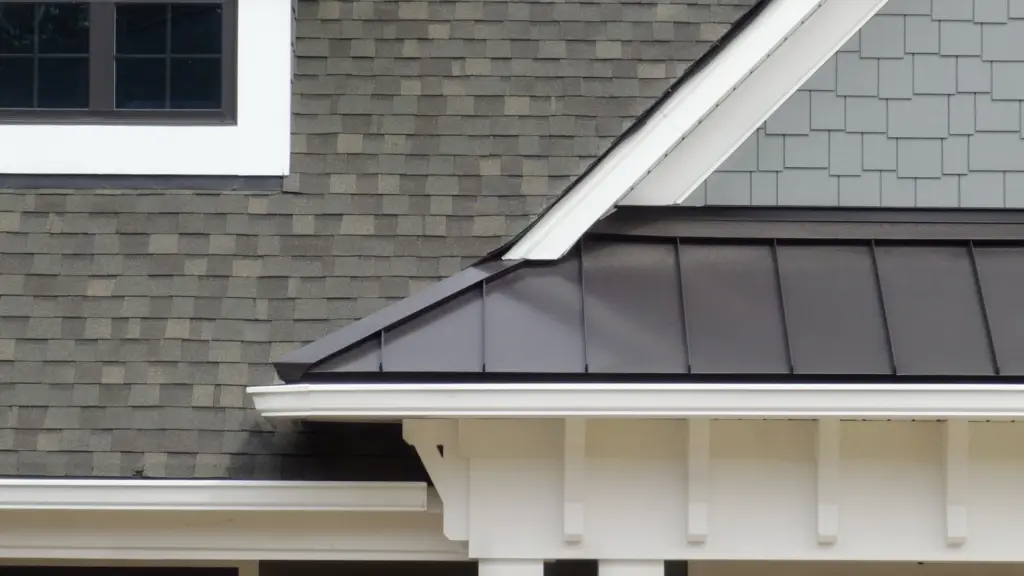
Exposed-fastener metal roofs leave screws visible. Standing seam uses vertical panels joined by raised seams that hide the fasteners underneath.
This design provides:
- Better leak protection
- Cleaner appearance
- Reduced maintenance
- Greater weather resistance
- Improved thermal movement
These features help standing seam roofs last a long time.
Initial Roof Inspection
Every good roofing project starts with a professional inspection.
During the inspection, we check:
- Current roof condition
- Roof decking
- Structural integrity
- Roof pitch
- Ventilation
- Drainage
- Flashing condition
This tells us whether your home is ready for a standing seam metal roof installation.
Discussing Roofing Goals
Every homeowner has different priorities.
During planning, we talk about:
- Budget
- Roofing style
- Color selection
- Material options
- Warranty coverage
- Project timeline
Good planning makes sure the finished roof meets your expectations.
Selecting Roofing Materials
Standing seam comes in several materials.
Common options include:
- Galvanized steel
- Galvalume steel
- Aluminum
- Copper
- Zinc
Your contractor will recommend the best material for your home’s location, budget, and goals.
Choosing the Right Panel Profile
Standing seam panels come in different styles.
Popular choices include:
- Snap-lock panels
- Mechanical seam panels
- Nail-strip panels
Picking the right panel style is an important part of the installation process.
Measuring the Roof
Accurate measurements are a must.
Contractors measure:
- Roof dimensions
- Valleys
- Ridges
- Dormers
- Roof penetrations
- Overhangs
Precise measurements make sure the right materials are ordered and cut down on waste.
Obtaining Necessary Permits
Roof replacements often need permits.
Roofing companies usually handle:
- Permit applications
- Code compliance
- Inspection scheduling
Following local rules helps your installation go smoothly.
Ordering Materials
Once measurements are done, we order materials.
This may include:
- Roofing panels
- Underlayment
- Flashing
- Fasteners
- Ridge caps
- Ventilation components
- Sealants
Quality materials help your roof last.
Preparing the Property
Before installation starts, get your property ready.
Recommended steps include:
- Moving vehicles
- Protecting landscaping
- Covering attic belongings
- Removing fragile wall decorations
- Securing outdoor furniture
Preparing your property helps the job go faster.
Removing the Existing Roof
In most cases, the old roof is removed.
That lets contractors check:
- Roof decking
- Structural components
- Moisture damage
- Hidden deterioration
Removing the old roof gives the new one a solid base.
Inspecting the Roof Deck
The roof deck supports the whole roof.
Contractors inspect for:
- Rot
- Soft spots
- Water damage
- Loose sheathing
- Structural concerns
We make any needed repairs before installing the new roof.
Installing New Underlayment
Underlayment adds a moisture barrier under the roof panels.
Quality underlayment helps:
- Prevent leaks
- Reduce moisture intrusion
- Improve weather resistance
- Enhance roof durability
Installing underlayment correctly is critical.
Installing Drip Edge
Drip edge directs water away from the edge of the roof.
Benefits include:
- Improved drainage
- Protection of fascia boards
- Reduced moisture damage
- Longer roof lifespan
This small part plays a big role in how your roof performs.
Installing Flashing
Flashing protects the roof’s weakest spots.
Flashing usually goes around:
- Chimneys
- Skylights
- Roof valleys
- Vent pipes
- Roof-to-wall intersections
Proper flashing is one of the most important parts of a standing seam installation.
Laying Out the Panels
Before fastening, crews carefully position the metal panels.
Good layout gives you:
- Straight panel alignment
- Consistent spacing
- Attractive appearance
- Efficient installation
Attention to detail delivers professional results.
Installing the First Panel
The first panel sets the alignment for the whole roof.
Contractors carefully check its:
- Position
- Alignment
- Squareness
- Attachment points
Getting the first panel right helps the rest fit correctly.
Securing the Panels
Standing seam roofs use hidden clips instead of exposed screws.
Hidden fasteners give you:
- Cleaner appearance
- Better weather protection
- Controlled thermal expansion
- Reduced maintenance
Forming the Standing Seams
Neighboring panels connect along raised seams.
Depending on the system, seams may:
- Snap together
- Be mechanically locked
- Be crimped using specialized equipment
Well-formed seams create a watertight roof.
Allowing for Thermal Expansion
Metal expands and contracts as temperatures change.
Professional installers plan for this movement with special fasteners and expansion gaps.
That prevents:
- Buckling
- Warping
- Fastener stress
- Panel distortion
Installing Roof Accessories
After the main panels go on, we add roof accessories.
These may include:
- Ridge caps
- Snow guards where applicable
- Pipe boots
- Vent components
- Roof trim
Each accessory improves your roof’s performance and look.
Installing Ventilation Components
Good attic ventilation is essential.
Ventilation helps:
- Reduce attic heat
- Minimize moisture buildup
- Improve energy efficiency
- Extend roof lifespan
Balanced airflow helps your roof perform for years.
Final Fastener Inspection
Standing seam roofs hide most fasteners, but installers still check:
- Clip placement
- Secure attachment
- Proper spacing
- Manufacturer compliance
Quality checks make sure your roof performs as it should.
Sealing Critical Areas
Special sealants are applied where needed.
Sealants help protect:
- Roof penetrations
- Flashing joints
- Transition areas
- Critical connections
Proper sealing lowers the risk of leaks.
Comprehensive Quality Inspection
Before the job is done, we inspect every part of the roof.
The inspection covers:
- Panel alignment
- Flashing
- Seams
- Trim
- Ventilation
- Drainage
- Overall workmanship
A thorough inspection is a key part of professional standing seam installation.
Job Site Cleanup
Professional roofers leave your property clean and safe.
Cleanup includes:
- Removing debris
- Collecting unused materials
- Sweeping for fasteners
- Cleaning surrounding work areas
A clean job site reflects quality work.
Final Walkthrough with the Homeowner
The final walkthrough lets you review the finished project.
We usually go over:
- Roof features
- Warranty information
- Maintenance recommendations
- Inspection schedules
You can also ask any questions before the project wraps up.
Benefits of Professional Installation
Professional standing seam metal roof installation has big advantages.
They include:
- Precise workmanship
- Proper code compliance
- Manufacturer warranty protection
- Improved weather resistance
- Longer roof lifespan
- Better appearance
Professional installation helps you get the most from your roof.
Maintaining Your Standing Seam Roof
Routine maintenance keeps your roof performing for years.
We recommend:
- Annual inspections
- Gutter cleaning
- Debris removal
- Flashing inspections
- Storm damage evaluations
With proper care, your roof can protect your home for decades.
Why Standing Seam Roofing Is Ideal for Louisiana
Louisiana’s climate is hard on roofs.
Standing seam performs very well here because it offers:
- Excellent wind resistance
- Outstanding water shedding
- Resistance to corrosion
- Superior durability
- Reflective energy efficiency
- Low maintenance requirements
That makes it a great choice for Baton Rouge homeowners.
Why Homeowners Trust Stalwart Roofing
Stalwart Roofing in Baton Rouge has extensive experience installing standing seam metal roofs across the region. We understand Louisiana weather and install roofs built to perform for the long haul.
Our services include:
- Professional roof inspections
- Standing seam metal roof installation
- Roof replacement
- Storm damage assessments
- Preventative maintenance
- Roof repairs
- Ongoing customer support
Our focus on quality craftsmanship, premium materials, and great service has earned the trust of homeowners across Baton Rouge and nearby communities.
Final Thoughts
A standing seam metal roof is one of the most durable, attractive, and energy-efficient roofs you can buy. Knowing the installation process shows how much planning, precision, and skill it takes to build a roof that protects your home for decades.
Every step matters, from the first inspection and material choice to the underlayment, hidden fasteners, panel alignment, and final checks. An experienced roofer makes sure the job follows the manufacturer’s specs and local building codes.
At Stalwart Roofing in Baton Rouge, Louisiana, we take pride in providing expert standing seam metal roof installation services that deliver lasting value, superior weather protection, and exceptional curb appeal. Whether you’re replacing an old roof or building a new home, our team will install a roof that gives you dependable protection and peace of mind for years to come.
Related reading: