Roof inspections have become increasingly advanced over the years, allowing roofing professionals to identify problems that were once difficult or impossible to detect without invasive methods. One of the most effective modern technologies used in roofing evaluations is thermal imaging.
For homeowners in Louisiana, where roofs face heavy rain, intense humidity, hurricanes, heat, and severe storms throughout the year, hidden roof damage can develop quickly and spread before visible signs appear inside the home. Thermal imaging technology helps roofing professionals identify these concealed problems early, reducing the risk of expensive structural damage and major repairs.
A professional thermal imaging roof inspection Louisiana homeowners schedule can help uncover moisture intrusion, insulation deficiencies, hidden leaks, trapped water, and ventilation issues without tearing apart roofing materials unnecessarily.
What Is Thermal Imaging?
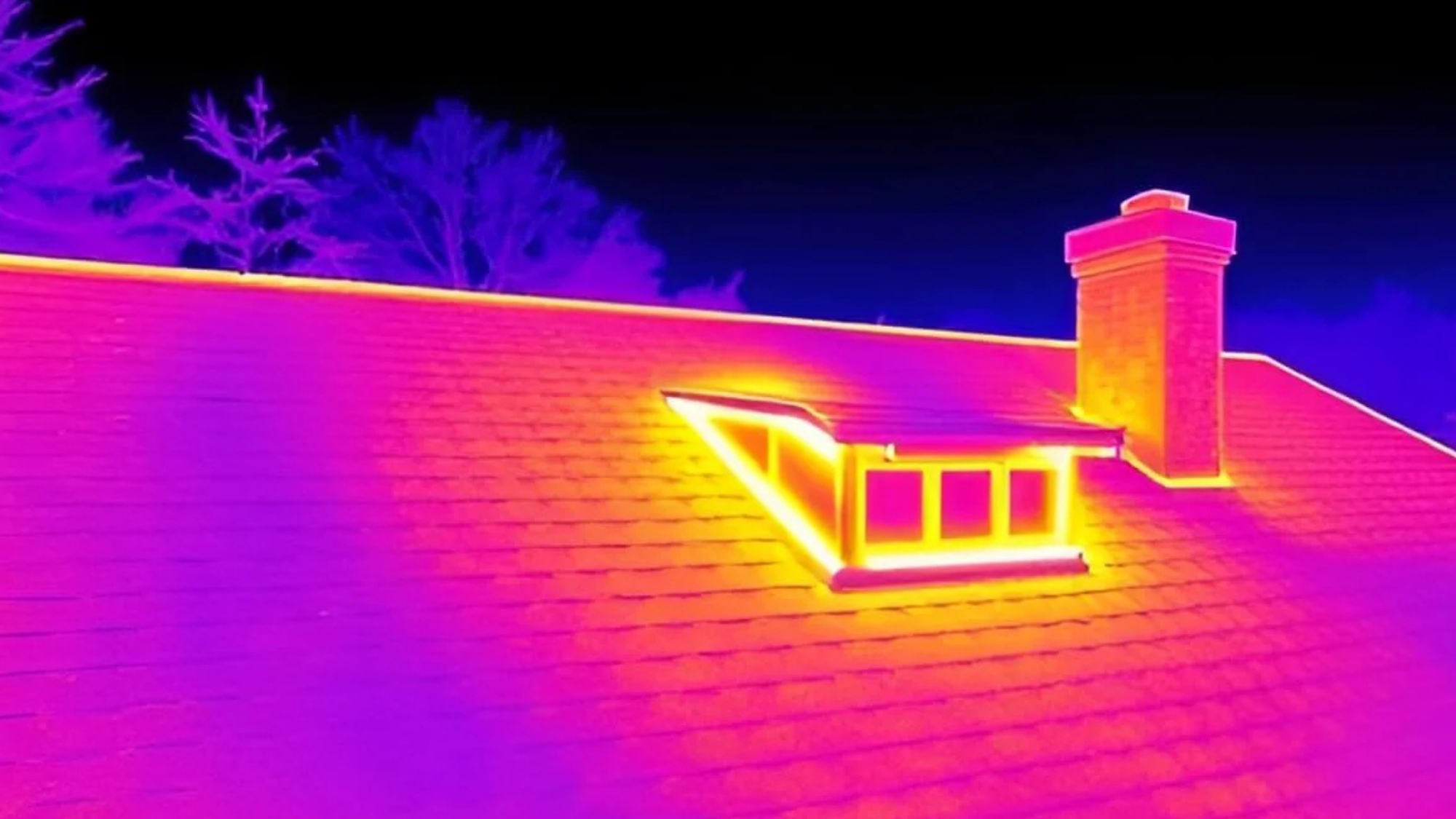
Thermal imaging uses infrared cameras to detect temperature differences on roof surfaces and building materials. Every object emits heat energy, and thermal imaging cameras convert that heat into visual images showing warmer and cooler areas.
During a thermal imaging roof inspection Louisiana contractors use specialized infrared equipment to identify abnormal temperature patterns that may indicate hidden roofing problems.
Thermal imaging can help detect:
- Moisture intrusion
- Roof leaks
- Trapped water
- Insulation gaps
- Ventilation issues
- Heat loss
- Energy inefficiencies
Because hidden moisture and damage often change surface temperatures, infrared technology allows inspectors to locate concerns that may not be visible during standard inspections.
Why Thermal Imaging Matters in Louisiana
Louisiana roofs experience some of the harshest environmental conditions in the country.
Homes in Baton Rouge and surrounding areas regularly face:
- Heavy rain
- Hurricanes
- High humidity
- Intense sunlight
- Windstorms
- Flash flooding
- Extreme heat
These conditions increase the risk of hidden roofing problems such as trapped moisture, mold growth, and insulation damage.
A thermal imaging roof inspection Louisiana homeowners schedule is especially valuable because many roofing issues in humid climates develop beneath the surface before visible signs appear indoors.
How Thermal Imaging Works During Roof Inspections
During the inspection process, roofing professionals scan roof surfaces and attic areas using infrared cameras.
The camera identifies temperature variations that may suggest:
- Water retention
- Moisture intrusion
- Missing insulation
- Air leaks
- Heat buildup
Cooler or warmer spots often indicate abnormal conditions requiring further evaluation.
Thermal imaging does not damage roofing materials and allows inspectors to evaluate roofing systems more efficiently.
Detecting Hidden Roof Leaks
One of the biggest advantages of a thermal imaging roof inspection Louisiana homeowners request is the ability to detect hidden leaks.
Traditional inspections may identify visible water stains or damaged shingles, but infrared technology helps locate:
- Moisture beneath roofing materials
- Water trapped inside insulation
- Hidden leak pathways
- Damp decking areas
Leaks may travel far from their original entry points, making them difficult to locate visually. Thermal imaging helps narrow down problem areas more accurately.
Identifying Moisture Intrusion
Moisture intrusion is one of the most damaging roofing problems for Louisiana homes.
Excess moisture may cause:
- Mold growth
- Wood rot
- Structural weakening
- Ceiling damage
- Insulation deterioration
A thermal imaging roof inspection Louisiana professionals perform can identify hidden moisture before major damage develops.
Early detection often prevents expensive repairs and protects overall home integrity.
Finding Trapped Water in Flat Roofs
Thermal imaging is especially valuable for commercial and low-slope roofing systems.
Flat roofs may develop trapped water beneath roofing membranes that is difficult to identify visually.
Infrared inspections help locate:
- Saturated insulation
- Moisture pockets
- Drainage problems
- Ponding areas
Because trapped moisture can weaken roofing systems over time, thermal imaging supports more accurate repair planning.
Improving Roof Leak Detection Accuracy
Traditional leak detection methods sometimes require guesswork or invasive testing.
Thermal imaging improves inspection accuracy by helping roofing professionals:
- Locate precise moisture areas
- Reduce unnecessary roof removal
- Identify hidden damage
- Confirm suspected leak zones
A professional thermal imaging roof inspection Louisiana homeowners schedule often provides more detailed diagnostic information than standard visual inspections alone.
Detecting Insulation Problems
Roof insulation affects:
- Energy efficiency
- Indoor comfort
- HVAC performance
- Moisture control
Thermal imaging can identify:
- Missing insulation
- Uneven insulation coverage
- Wet insulation
- Heat transfer areas
In Louisiana’s hot climate, insulation deficiencies may significantly increase cooling costs.
Infrared inspections help homeowners identify areas where energy performance may be compromised.
Roof Ventilation Issues
Proper ventilation is essential for maintaining healthy roofing systems.
Poor ventilation may contribute to:
- Excess attic heat
- Condensation
- Mold growth
- Premature roof aging
- Moisture accumulation
A thermal imaging roof inspection Louisiana contractors perform may reveal temperature patterns associated with ventilation imbalances.
Improving ventilation helps extend roof lifespan and improve indoor comfort.
Detecting Storm Damage
Louisiana storms can cause both visible and hidden roofing damage.
Thermal imaging helps inspectors evaluate:
- Moisture intrusion after storms
- Hidden leak areas
- Wind-related insulation damage
- Water migration beneath roofing materials
After hurricanes or severe weather events, infrared inspections often provide valuable insight into roof condition.
Benefits of Non-Invasive Inspections
One of the biggest advantages of thermal imaging is that it is non-invasive.
Inspectors can evaluate roofing systems without:
- Tearing off shingles
- Cutting into roofing materials
- Damaging insulation
- Removing structural components
This makes the thermal imaging roof inspection Louisiana process safer, faster, and more efficient for homeowners.
Supporting Preventative Maintenance
Preventative maintenance is often more affordable than emergency repairs.
Thermal imaging supports preventative roofing care by helping identify:
- Small leaks
- Early moisture intrusion
- Insulation deficiencies
- Hidden structural concerns
Addressing these issues early helps homeowners avoid larger repair expenses later.
Why Hidden Roof Damage Is Dangerous
Hidden roof damage often spreads quietly over time.
Moisture may affect:
- Roof decking
- Insulation
- Drywall
- Ceiling materials
- Structural framing
Because damage may remain invisible for months, routine inspections are critical for long-term protection.
A thermal imaging roof inspection Louisiana homeowners schedule may reveal problems before they become major structural concerns.
Mold Prevention Benefits
Louisiana humidity creates favorable conditions for mold growth.
Hidden moisture beneath roofing materials or inside attics may lead to:
- Mold contamination
- Indoor air quality issues
- Structural deterioration
Thermal imaging helps identify moisture-prone areas before mold becomes widespread.
Early moisture detection is especially valuable in humid climates like Baton Rouge.
Energy Efficiency Advantages
Roofing problems can significantly affect energy performance.
Thermal imaging helps identify:
- Heat loss
- Air leaks
- Poor insulation
- Ventilation problems
Improving these issues may:
- Reduce cooling costs
- Improve indoor comfort
- Reduce HVAC strain
- Increase energy efficiency
A thermal imaging roof inspection Louisiana evaluation often supports both roofing maintenance and energy-saving improvements.
Residential and Commercial Applications
Thermal imaging is valuable for both residential and commercial roofing systems.
Residential uses include:
- Leak detection
- Storm damage inspections
- Insulation evaluations
- Attic inspections
Commercial uses often involve:
- Flat roof moisture detection
- Preventative maintenance
- Insurance documentation
- Energy audits
The technology provides valuable diagnostic information across many roofing applications.
Insurance Claim Support
After storms or hurricanes, homeowners may need documentation for insurance claims.
Thermal imaging reports can help support:
- Moisture damage evidence
- Leak identification
- Hidden storm damage documentation
- Repair recommendations
Detailed infrared inspection reports may strengthen insurance claim accuracy.
Best Conditions for Thermal Imaging Inspections
Thermal imaging works best under certain environmental conditions.
Factors affecting inspection quality include:
- Time of day
- Sun exposure
- Weather conditions
- Roof material type
- Temperature differences
Experienced roofing professionals understand when conditions are optimal for accurate infrared scanning.
Limitations of Thermal Imaging
While highly effective, thermal imaging does have limitations.
Infrared cameras identify temperature differences but do not always determine the exact cause of the issue.
Additional evaluation may still be necessary to confirm:
- Leak source
- Structural damage severity
- Repair needs
A thermal imaging roof inspection Louisiana service should be performed by experienced professionals who understand how to interpret infrared results accurately.
Importance of Professional Expertise
Interpreting thermal imaging results requires specialized training and roofing knowledge.
Experienced roofing contractors understand:
- Roofing system behavior
- Moisture patterns
- Ventilation effects
- Louisiana weather impacts
- Infrared image interpretation
Proper analysis ensures accurate diagnosis and effective repair planning.
Signs Homeowners Should Schedule Thermal Imaging
Homeowners should consider thermal imaging inspections if they notice:
- Ceiling stains
- Mold odors
- Rising energy bills
- Persistent leaks
- Humidity problems
- Storm damage concerns
- Uneven indoor temperatures
Even without visible damage, hidden moisture may still exist beneath roofing materials.
Why Louisiana Homes Benefit From Infrared Inspections
Louisiana’s climate creates elevated risks for hidden roofing issues because:
- Humidity accelerates moisture problems
- Hurricanes increase leak risks
- Heavy rain affects drainage systems
- Heat impacts insulation performance
As a result, thermal imaging roof inspection Louisiana services provide especially valuable protection for homeowners in the region.
Thermal Imaging and Roof Lifespan
Routine inspections help extend roof lifespan by identifying small problems early.
Thermal imaging supports long-term roof performance by helping homeowners:
- Prevent widespread moisture damage
- Address ventilation concerns
- Improve insulation performance
- Detect leaks early
Preventative care helps roofing systems remain durable for longer periods.
Questions Homeowners Should Ask
Homeowners scheduling infrared inspections may want to ask:
- What areas will be scanned?
- Are moisture issues visible?
- Is insulation performing properly?
- Are ventilation concerns present?
- Is storm damage detected?
- Are repairs recommended?
Understanding inspection findings helps homeowners make informed maintenance decisions.
The Role of Preventative Roofing Care
Preventative maintenance remains one of the most effective ways to protect residential roofing systems.
Combining routine inspections with thermal imaging helps homeowners:
- Reduce repair costs
- Improve energy efficiency
- Protect indoor air quality
- Extend roof lifespan
- Prevent hidden moisture damage
Modern roofing technology allows issues to be identified earlier than ever before.
Final Thoughts on Thermal Imaging Roof Inspection Louisiana
Hidden roofing problems can quietly spread beneath the surface long before visible warning signs appear inside the home. In Louisiana’s humid, storm-prone climate, moisture intrusion, insulation deficiencies, and hidden leaks can quickly lead to larger structural issues if left untreated.
A professional thermal imaging roof inspection Louisiana homeowners schedule provides advanced diagnostic insight that traditional inspections alone may not reveal. From locating hidden moisture and identifying insulation problems to detecting storm damage and improving energy efficiency, thermal imaging technology helps homeowners protect their property more effectively.
For homeowners in Baton Rouge and surrounding Louisiana communities, routine roof inspections combined with infrared technology offer a proactive approach to long-term roofing maintenance and home protection.