When it comes to protecting your commercial building in Louisiana’s humid, storm-prone environment, the flat roofing system you choose matters. At Stalwart Roofing, we often hear the same question from property owners, contractors, and real estate developers—what’s the better choice when comparing TPO vs EPDM roofing Louisiana commercial projects demand?
The answer depends on your priorities, budget, and long-term plans. This guide breaks down the essential factors to help you confidently select the right roofing system for your property.
What Are TPO and EPDM Roofing Systems?
TPO (Thermoplastic Polyolefin) and EPDM (Ethylene Propylene Diene Monomer) are both single-ply membrane roofing systems commonly used in commercial flat roofs across Baton Rouge and greater Louisiana. Each system has its unique composition, installation method, and performance characteristics.
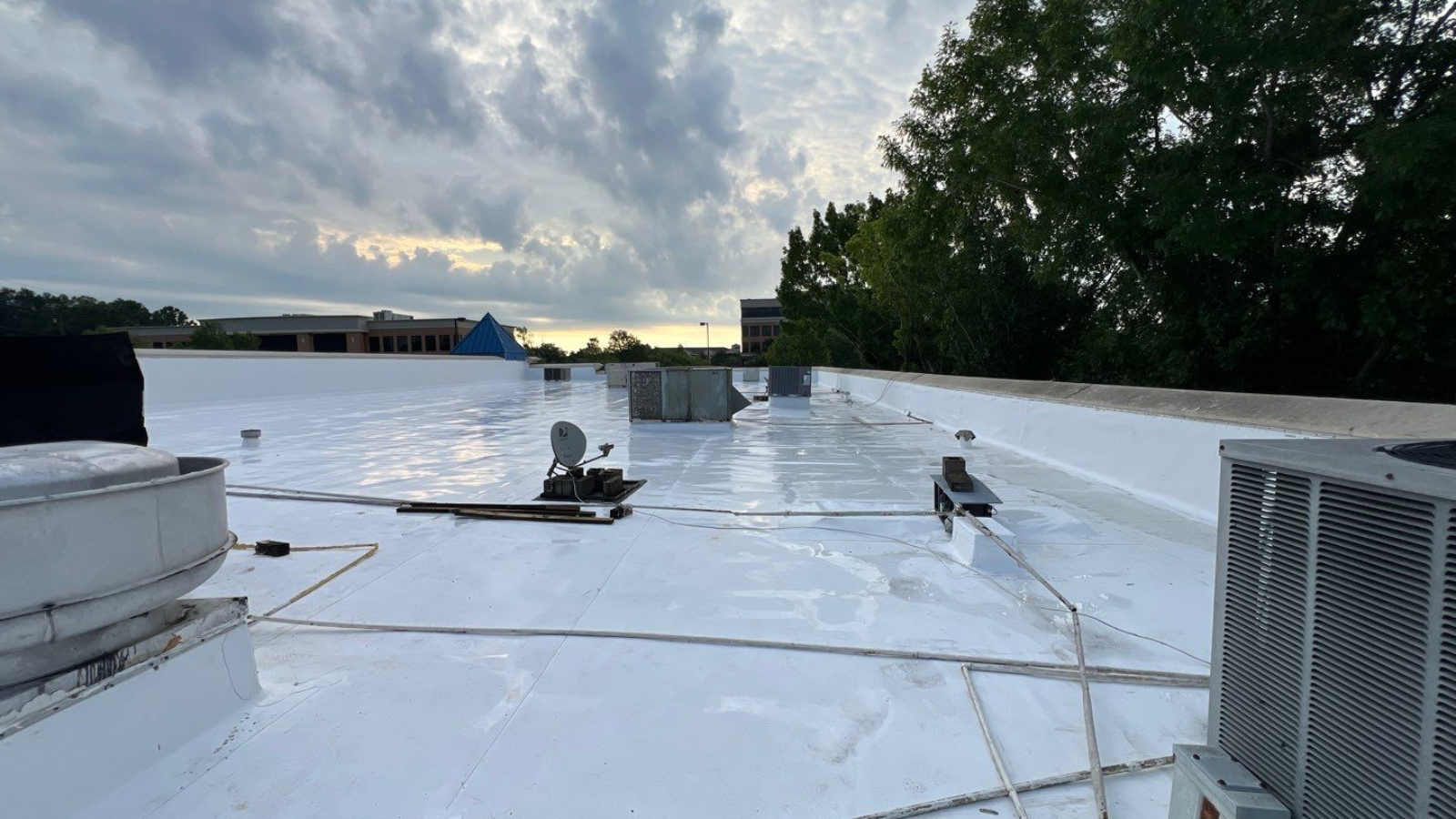
TPO is a white, reflective membrane that’s known for its energy efficiency. It’s made from a blend of polypropylene and ethylene-propylene rubber and is typically heat-welded at the seams for a waterproof seal. In the TPO vs EPDM roofing Louisiana commercial market, TPO stands out for its ability to reflect sunlight and reduce cooling loads in warm climates like ours.
EPDM, on the other hand, is a black synthetic rubber membrane that’s installed using adhesives or ballast. It has a long track record of durability and is known for being easy to install and repair. EPDM is especially appreciated for its flexibility in colder climates, although its dark surface may absorb more heat in sunny Louisiana conditions.
TPO vs EPDM Roofing Louisiana Commercial Needs: Climate Considerations
Baton Rouge sees high humidity, powerful storms, intense heat, and the occasional freeze. Your roofing system must be able to withstand wide temperature swings, UV exposure, and heavy rainfall. Let’s compare how TPO and EPDM hold up.
TPO:
- Reflects UV rays due to its white surface, helping reduce cooling costs
- Resists algae and dirt buildup
- Handles thermal expansion well when properly installed
EPDM:
- Absorbs more heat due to its black surface, which may increase HVAC demands
- Performs well in freeze-thaw cycles
- More prone to punctures if not protected from debris or foot traffic
In terms of heat and humidity, the TPO vs EPDM roofing Louisiana commercial debate often leans toward TPO for its solar reflectivity and resistance to mold growth.
Installation and Labor Differences
The installation process for both TPO and EPDM can affect timelines, labor costs, and long-term performance.
TPO Installation:
- Seams are heat-welded for a strong, watertight finish
- Requires more specialized equipment and skilled installers
- Ideal for large, open commercial rooftops
EPDM Installation:
- Seams are glued or taped together
- Can be quicker and more affordable to install
- Easier for smaller or irregularly shaped roofs
While EPDM may offer a cost advantage upfront, improper adhesion can lead to seam failures. With the right Baton Rouge roofing crew like Stalwart Roofing, TPO installations can provide a tighter, longer-lasting seal against Louisiana’s storm conditions.
Energy Efficiency: Reflectivity and Savings
TPO roofs typically come in white or light colors, which reflect solar radiation. This is especially important for flat roofs in Baton Rouge, where summer temperatures routinely push HVAC systems to the limit.
EPDM roofs, usually black, absorb sunlight and increase heat inside the building. While this may be beneficial in colder northern climates, it’s less ideal in Louisiana.
In the TPO vs EPDM roofing Louisiana commercial conversation, energy-conscious property owners often prefer TPO for its measurable cooling cost savings. According to the U.S. Department of Energy, reflective roofs can reduce energy use by up to 15 percent.
Durability and Longevity
Both TPO and EPDM can last 20 to 30 years with proper installation and maintenance. However, durability can vary depending on the environment and how the roof is used.
TPO:
- UV resistant
- Less prone to shrinkage
- Seams are typically stronger due to welding
EPDM:
- Excellent flexibility and resistance to hail and impact
- More resistant to ozone and certain chemicals
- Vulnerable seams if adhesives break down over time
TPO is a relatively newer technology, so long-term performance data beyond 30 years is limited. EPDM has a longer track record, but modern TPO formulations have improved significantly.
Maintenance Requirements
EPDM roofs may require more frequent seam inspections, especially in Baton Rouge where adhesive breakdown can occur in extreme heat. TPO roofs, while more resistant to UV and heat, must be installed carefully to avoid seam failures due to poor welding.
When it comes to TPO vs EPDM roofing Louisiana commercial maintenance planning, consider:
- Regular inspections (at least twice a year)
- Clearing debris and checking seams after storms
- Prompt repair of punctures or pooling areas
- Annual cleaning to prevent algae and mold
Stalwart Roofing offers maintenance packages tailored to both TPO and EPDM systems to extend the lifespan of your investment.
Cost Comparison: Upfront vs Long-Term Value
EPDM is often slightly cheaper to install due to simpler materials and less specialized labor. However, TPO may offer better long-term savings due to reduced energy costs and improved durability.
| Expense Category | TPO | EPDM |
| Material Cost | Slightly higher | Lower |
| Installation Labor | Higher (requires welding) | Lower |
| Energy Efficiency | Higher (reflective) | Lower |
| Maintenance | Moderate | Slightly higher |
| Expected Lifespan | 25–30 years | 20–30 years |
| Insurance Savings | May qualify for cool roof discounts | Less likely |
When comparing TPO vs EPDM roofing Louisiana commercial property owners often balance short-term budget constraints with long-term operating savings.
Aesthetic Considerations
While commercial roofs are usually not visible from the street, white TPO membranes may be more desirable in modern building designs. EPDM’s black rubber appearance is more industrial, but less visible to tenants or guests.
Some manufacturers offer TPO in tan or gray for better alignment with building colors. EPDM remains more limited in color options.
Environmental Impact
TPO is considered more environmentally friendly in hot climates because it reduces energy consumption. It’s also recyclable at the end of its life cycle.
EPDM is made from synthetic rubber, which is not typically recycled in commercial applications. However, its long lifespan still offers environmental benefits compared to other roofing options.
For green buildings and LEED projects in Louisiana, TPO is more likely to meet energy efficiency and sustainability benchmarks.
Warranties and Manufacturer Support
Major roofing manufacturers offer warranties for both systems ranging from 10 to 30 years. Always ensure your installer is certified by the manufacturer to maintain warranty eligibility.
At Stalwart Roofing, we work with top brands like GAF, Firestone, and Carlisle to offer best-in-class warranties for both TPO and EPDM.
Safety and Fire Resistance
Both TPO and EPDM meet commercial fire rating standards when installed with the correct underlayment and insulation. TPO tends to have a slight edge in fire resistance due to its chemical makeup.
In Louisiana’s hot climate, roofs can reach high surface temperatures. TPO’s reflective surface helps reduce heat buildup, which may help protect roofing systems from thermal-related fire risks.
Ideal Use Cases
TPO is often recommended for:
- Retail centers
- Warehouses
- Hospitals
- Schools
- Energy-efficient buildings
EPDM is often a better fit for:
- Office buildings with minimal roof traffic
- Budget-conscious projects
- Facilities with high chemical exposure (labs, factories)
The decision on TPO vs EPDM roofing Louisiana commercial owners make should align with the building’s use, maintenance plan, and exposure to the elements.
Why Baton Rouge Property Owners Choose Stalwart Roofing
Choosing between TPO vs EPDM roofing Louisiana commercial properties is not just about specs—it’s about getting the right system for your building’s specific needs. At Stalwart Roofing, we provide:
- On-site evaluations to determine ideal system
- Transparent estimates for both TPO and EPDM
- Certified installers for all major brands
- Energy audits to maximize savings
- Long-term maintenance and warranty support
With Baton Rouge’s mix of sun, storms, and heat, you need a local roofing expert that understands how materials perform in this climate. Our team has decades of experience and a reputation for honesty and quality.
Final Thoughts
If you’re a property owner in Baton Rouge or managing a commercial facility in Louisiana, you’ll want a roofing system that lasts, performs, and supports your long-term goals. The TPO vs EPDM roofing Louisiana commercial market offers two strong contenders—but each serves different priorities.
TPO is ideal for energy efficiency and heat resistance. EPDM offers budget-friendly flexibility and a long track record. The right choice depends on your specific project.
Ready to upgrade your commercial roof? Contact us today to schedule your free inspection and consultation.