When storm season arrives in Louisiana, homeowners face a serious challenge: protecting their homes from wind, rain, and flying debris. In areas like Baton Rouge, where hurricanes and severe storms are common, investing in wind resistant roofing materials in Louisiana homes can rely on is not a luxury—it’s a necessity.
This guide from Stalwart Roofing explores the most effective roofing materials designed to stand up to Louisiana’s harsh weather requirements. Whether you’re building a new home or replacing a damaged roof, understanding your options will help you choose the right solution for long-term protection.
Why Is Wind-Resistant Roofing Essential in Louisiana?
Louisiana faces frequent hurricanes and severe storms with wind speeds exceeding 100 mph. Wind-resistant roofing helps protect homes from structural damage, water intrusion, and costly post-storm repairs. Roofs that aren’t built to withstand these conditions are often the first to fail.
Choosing the right wind resistant roofing materials Louisiana homeowners can count on helps prevent:
- Uplifted shingles and torn panels
- Water damage from roof penetration
- Structural weakening of the home
- Expensive emergency repairs and insurance claims
Not all roofing materials are created equal when it comes to storm performance. That’s why it’s essential to understand the different types available—and how they perform under high wind conditions.
Which Roofing Materials Perform Best in High Winds in Louisiana?
Not all roofing materials offer the same level of storm protection. The best wind-resistant roofing materials for Louisiana homes are designed to withstand uplift, impact, and prolonged exposure to extreme weather.
1. Architectural Asphalt Shingles
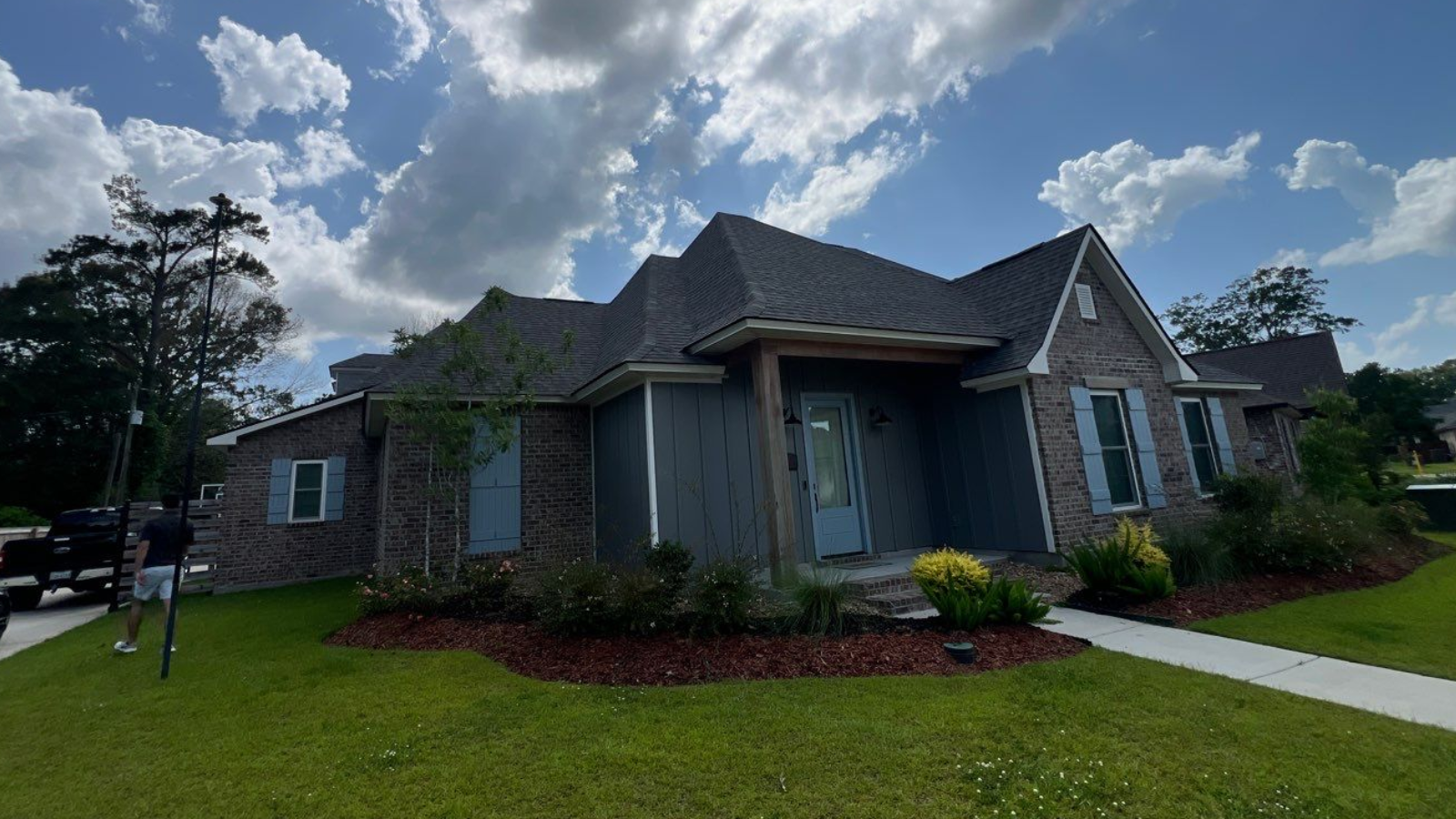
Architectural shingles are an upgraded version of standard 3-tab shingles, made with multiple layers of asphalt and a heavier composition. They provide better wind resistance due to their thicker profile and stronger adhesive seals.
When installed properly, many architectural shingles are rated to resist wind speeds up to 130 mph—making them a practical wind resistant roofing materials Louisiana option for budget-conscious homeowners.
Key advantages:
- Affordable and easy to install
- Available in many styles and colors
- Higher wind ratings than traditional shingles
2. Metal Roofing
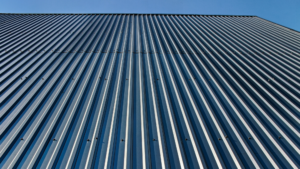
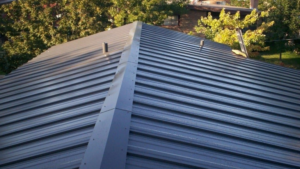
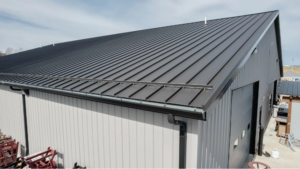
Metal roofing systems are one of the most durable and wind-resistant options on the market. Standing seam metal roofs, in particular, are known for their exceptional uplift resistance and interlocking panel design.
As one of the top wind resistant roofing materials in Louisiana builders use for both residential and commercial properties, metal roofs often withstand winds up to 140–160 mph depending on installation and fastening systems.
Key advantages:
- Long lifespan (40–70 years)
- Fire-resistant and energy-efficient
- Resistant to cracking, shrinking, and erosion
3. Clay and Concrete Tiles
Clay and concrete tiles are heavy-duty options often used on high-end homes. Their weight alone helps anchor them against high winds, though proper installation is critical for success in hurricane-prone areas.
These are strong wind resistant roofing materials in Louisiana homeowners may consider for upscale projects, especially when aesthetics and longevity are top priorities.
Key advantages:
- Exceptional wind resistance when secured properly
- Long-lasting (50+ years)
- Energy-efficient due to thermal insulation
4. Synthetic Roofing Materials
Synthetic roofing materials—made from polymer, rubber, or composite blends—is becoming more popular in Louisiana thanks to its lightweight yet impact-resistant nature. Many synthetic shingles mimic the look of wood, slate, or tile, but with added durability.
As engineered wind resistant roofing materials Louisiana roofers are now recommending more often, these options are frequently tested for wind speeds of 110 mph and higher.
Key advantages:
- Lightweight but durable
- Low maintenance
- Eco-friendly and recyclable options available
5. Impact-Resistant Shingles (Class 4)
Class 4 impact-resistant shingles are not only good at withstanding hail and debris but are also built to hold strong against wind-driven forces. These shingles undergo rigorous lab testing for uplift and tear-off resistance, making them ideal wind resistant roofing materials in Louisiana homes can rely on during extreme storms.
Key advantages:
- Certified high-wind ratings
- Lower insurance premiums in many cases
- Strong sealant strips for wind defense
How Important Is Proper Installation for Wind-Resistant Roofing?
Even the strongest roofing materials can fail without correct installation. Proper fastening, sealing, and underlayment are critical for maximizing wind resistance. No matter which wind resistant roofing materials in Louisiana homeowners choose, installation plays a critical role in the roof’s performance.
For optimal storm protection, ensure your roofing contractor:
- Uses roofing nails (not staples) and proper spacing
- Installs enhanced underlayment for secondary water protection
- Seals all flashing points and roof edges securely
- Includes starter strip shingles and drip edges to reduce uplift risk
- Follows manufacturer guidelines and local building codes
At Stalwart Roofing, we specialize in hurricane-rated installations. Our team ensures that every roofing system we install meets or exceeds wind-resistance standards for Southeast Louisiana.
What Makes a Roof Truly Wind-Resistant?
Wind-resistant roofing is a complete system, not just a material choice. Every component must work together to reduce uplift, water intrusion, and structural stress. To qualify as wind resistant roofing materials Louisiana homes need, the entire structure must include:
- Strong roof decking (typically plywood or OSB)
- Proper fastening methods for shingles or panels
- Water-resistant underlayment (like synthetic barrier)
- Sealed ridges, hips, and valleys
- Adequate attic ventilation to reduce pressure buildup
Your home’s roof structure—trusses, rafters, and frame connections—also matters. A weak frame can compromise even the best roofing materials during storms.
What Roofing Codes and Wind Ratings Apply in Louisiana?
Louisiana roofing systems must meet strict wind-load requirements set by local and national building codes. Certified ratings help ensure materials are suitable for hurricane-prone regions. Many parishes follow the International Residential Code (IRC), which includes guidelines for wind load requirements.
When evaluating wind resistant roofing materials in Louisiana, look for certifications such as:
- Miami-Dade Approval
- Florida Building Code (FBC) compliance
- ASTM D3161 (for wind resistance of shingles)
- UL 2218 (impact resistance rating)
These ratings ensure that your roofing materials have passed stringent tests and are suitable for storm-prone areas like Baton Rouge.
Which Roofing Materials Are Best for Coastal Louisiana Homes?
Homes near the Gulf Coast face stronger winds and salt exposure. Roofing materials in these areas must resist corrosion while maintaining high wind performance. In these cases, we recommend:
- Galvalume metal roofs with rust protection
- Clay or concrete tiles with hurricane installation systems
- High-end synthetic shingles with class 4 impact and wind certification
These options offer superior resistance to both salt corrosion and high-speed wind, making them some of the best wind resistant roofing materials Louisiana coastal homeowners can install.
Are Wind-Resistant Roofing Materials Worth the Cost?
While wind-resistant roofing may cost more upfront, it often reduces long-term repair and insurance expenses. Increased durability and resale value improve overall return on investment. Upgrading to more durable wind resistant roofing materials Louisiana homes require can seem expensive upfront. However, the long-term benefits often outweigh the cost:
- Fewer repairs after storms
- Reduced insurance premiums
- Extended roof lifespan
- Improved home resale value
At Stalwart Roofing, we work with multiple manufacturers and offer financing options to help homeowners make storm-safe upgrades without breaking the bank.
Storm Season Prep: Is Your Roof Ready?
Preparing your roof before storm season can prevent serious damage. Small preventive steps now can save thousands in emergency repairs later. Before storm season hits, here’s how you can prepare your roof—even if you’re not replacing it yet:
- Have a professional roof inspection
- Clear debris and branches away from the roof
- Reinforce loose shingles or flashing
- Check attic ventilation and insulation
- Secure gutters and downspouts
Knowing your roof is protected by quality wind resistant roofing materials Louisiana experts have installed correctly gives you peace of mind through even the worst hurricanes.
What Are the Most Common Roofing Myths in Louisiana?
Many homeowners believe misinformation about roofing performance in storms. Understanding the facts helps you make smarter, safer roofing decisions.
“Metal roofs blow off easily.”
False. When properly installed, standing seam metal roofs are among the strongest and most wind-resistant systems available.
“You only need to upgrade after a storm.”
False. Upgrading before a storm hits reduces the risk of major losses and can save thousands in emergency repair costs.
“All shingles are rated the same.”
False. Shingles vary widely in wind, fire, and impact ratings. Only certain products qualify as true wind resistant roofing materials Louisiana homes need.
How Do You Choose a Roofing Contractor You Can Trust in Louisiana?
Storm-resistant roofing requires experience with local weather conditions and building codes. Choosing the right contractor is just as important as selecting the right materials. Installing a roof built for Louisiana’s climate requires more than just good materials. You need a roofing team that:
- Understands local codes and storm risks
- Offers certified roofing systems with warranties
- Has experience with insurance claims and storm recovery
- Provides transparent pricing and detailed work plans
At Stalwart Roofing, we bring years of experience protecting Baton Rouge homes from the Gulf Coast’s worst weather. We’ll help you choose the right wind resistant roofing materials Louisiana offers and make sure your installation is built to last.
Final Thoughts: How Can You Protect Your Home During Louisiana Storms?
Your roof is your home’s first line of defense against severe weather. Investing in wind-resistant roofing provides long-term protection and peace of mind. When storms roll into Southeast Louisiana, your roof is all that stands between your family and the elements. Investing in reliable, professionally installed wind resistant roofing materials Louisiana homes require isn’t just smart—it’s essential.
Whether you’re building a new home, replacing an aging roof, or recovering after a storm, let Stalwart Roofing help you choose the best wind-resistant solution tailored to your home and budget.
Schedule your free roof assessment today and let’s get your home storm-ready—starting at the top.
Frequently Asked Questions About Wind-Resistant Roofing Materials
1. What is the best wind-resistant roofing material for Louisiana homes?
Metal roofing and Class 4 impact-resistant shingles are the top wind-resistant options for Louisiana homes, often rated for 130–160 mph winds when properly installed.
2. Are architectural shingles strong enough for hurricanes in Baton Rouge?
Yes. High-quality architectural shingles can withstand winds up to 130 mph, making them a reliable choice for many Baton Rouge homes during severe storms.
3. Does roof installation affect wind resistance?
Absolutely. Even the best materials can fail without proper installation, including correct nailing, sealed edges, quality underlayment, and code-compliant fastening.
4. Can wind-resistant roofing reduce storm damage and insurance costs?
Yes. Wind-rated roofing systems reduce storm damage risk and may qualify Louisiana homeowners for insurance discounts depending on material certification.
5. How do I know if my roof meets Louisiana wind-load requirements?
A professional roof inspection can verify wind-load compliance by evaluating material ratings, installation quality, and local Louisiana building codes.