Which Best Roofing Materials Offer the Balance of Cost and Longevity?
The best balance of cost and longevity comes from materials that minimize replacements and repairs over time. Metal roofing and architectural shingles consistently deliver strong long-term value. When it comes to home improvement, few decisions are as crucial as the choice best roofing materials. Homeowners want a balance between short—and long-term expenditures, which is why they always look for the cheapest, longest-lasting roof. In this guide, we discuss different roofing options, costs, longevity, and what to look for when spending a big chunk of your home improvement budget on your roof.
Choosing the best roof for your house is a decision that affects how much money goes into your roof, your bank account, and your overall arrangement of bricks and mortar for years to come. Homeowners everywhere are torn between what they can afford and what will stand the test of time. The perfect scenario, the desirable commodity that sets itself apart – the cheapest, most extended-lasting roof – possesses an almost mythical nature. Here, we’ll take you through the process of selecting the best roofing materials, looking at costs, longevity, and everything that can either add or detract from the longevity of those best roofing materials.
Which Roofing Materials Are the Most Cost-Effective Over Time?
Cost-effectiveness depends on lifespan, maintenance, and climate performance—not just upfront price. Some higher-cost materials deliver lower lifetime expenses. The durability of asphalt shingle roofs and the classic look of slate and tile roofs are also to be considered. With all this in mind, here are the pros and cons of the most popular the best roofing materials.
Are Asphalt Shingles the Cheapest Roofing Option Available?
Asphalt shingles are the most affordable roofing material upfront and are widely used across the U.S. However, their lifespan is shorter compared to premium best roofing materials, especially in severe weather zones. These are the most common roofs that exist today, often found on suburban tract homes. This preference is because asphalt shingles are renowned for their comfort regardless of the weather. They are also inexpensive to produce, giving them extra appeal to many homeowners. However, shingles come with a risk. Being a manufactured product, they are prone to wind damage. Buying quality shingles might raise the cost and make them more durable, but their risk remains high in areas prone to severe weather.
Do Slate and Tile Roofs Justify Their High Cost?
Slate and tile roofs are among the longest-lasting roofing materials, often exceeding 75–100 years. Their high upfront cost is offset by exceptional durability and minimal replacement needs. Are the preferred roofs in high-end residential neighborhoods. Their appeal is understandable: unrivaled durability and a timeless appeal to the eyes. Offset by their structural strength and superior water resistance, the high cost involved for most homeowners comes as their most significant barrier.
Are Wood Shingles Worth the Maintenance Cost?
Wood shingles provide natural insulation and aesthetic appeal but require consistent maintenance. Their fire risk and upkeep costs make them less suitable for budget-focused homeowners. While they aren’t necessarily easy to maintain, the ability of wood to enrich a home with natural beauty lends them a unique appeal. The primary disadvantage of wood is that it risks catching fire, leading to costly damage.
Is Metal Roofing the Best Long-Term Roofing Investment?
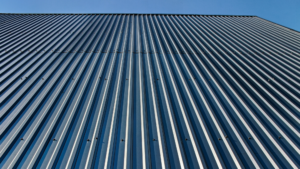
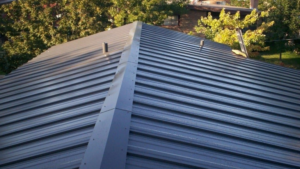
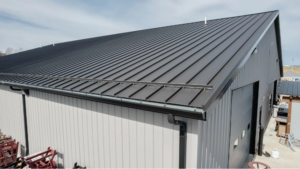
Metal roofing offers one of the longest lifespans at 40–70 years with minimal maintenance. While the upfront cost is higher, long-term savings often make metal roofs cost-effective. These roofs are typically found in areas with steep climates, such as Alaska or other snowy parts of the USA. The need for snow to slide off these houses without gravity necessitates their use.
We’ll look at the differences between the best roofing materials, how long you can expect them to last, how much they’ll cost you upfront, and what maintenance they require. We’ll also look at why it’s vital to engage the services of an established roofing contractor, such as Stalwart Roofing of Baton Rouge, LA, and Alexandria, NE, who can recommend the right roof for you while installing it to last. Let’s go together to find out what the cheapest lasting roof would be.
What Factors Determine Roofing Longevity?
Roofing longevity depends on material lifespan, climate exposure, maintenance quality, and installation standards. Choosing the right combination ensures maximum return on investment. Roofing longevity is important when determining the best roof for your house. This term defines how long the best roofing materials should last in order to remain in good shape before it needs replacement or major repairs. The factors that contribute to a long-lasting roof are:
1. How Long Do Different Roofing Materials Typically Last?
Asphalt 15–30 years, metal 40–70 years, slate 100+ years. The durability of different roofing materials varies dramatically. For example, asphalt shingles, which are the most common roofing material in North America, tend to last 15 to 30 years. Slate and tile roofs are celebrated for longevity at the other end of the spectrum. They can survive for far more than a century with the right maintenance.
2. How Does Climate Affect Roof Lifespan?
Extreme heat, storms, snow reduce lifespan. The climate in which your home is situated plays a massive role in how long its roof will last. Consider the weather conditions where you live – parts of the country with extreme heat, heavy rains or blizzards, and intense sun will need more resilient materials. Metal roofs, for example, are more complex and weather-resistant than their traditional asphalt shingle counterparts.
3.Why Is Roof Maintenance Critical for Longevity?
Neglect voids lifespan regardless of material. Properly installed roofs will last longer with routine maintenance, roof inspections, gutter cleaning, and prompt repairs to minor leaks and other damage. Neglecting maintenance will shorten the life of any roof covering, regardless of the material used.
4. Does Installation Quality Affect Roof Durability?
Improper install reduces lifespan by years. How well the roofing contractor installs your new roof can greatly influence its longevity. Materials will hold up best if applied properly and according to manufacturer specifications and not too early in the life of the roofing machinery that applies them.
Considering all this, homeowners can decide what the best roofing materials fits their budget, climate needs, and maintenance abilities. By putting inside costs for your roof (which may not be the least expensive, but could last the longest) into consideration with the outside expenses (the price of a roof that might seem cheap at first but might ultimately cause your bank account to cry), you can help make sure that your roof keeps your home and your family safe for many years to come.
Which Roofing Materials Are the Most Cost-Effective Over Time?
Cost-effective roofing materials balance reasonable upfront pricing with long-term durability. Metal, architectural shingles, and composite roofing often outperform cheaper options over time. Evaluating roofing options requires considering not just the immediate costs of material but also its long-term value and longevity. The most cost-effective roofing materials are these: you might find them to be a good balance of low costs and greater durability.
1. Asphalt shingles: These are a popular choice because of their initial affordability and relative ease of installation. They come in a range of styles and colors. However, the cost does vary depending on how closely the shingles emulate a more expensive roofing material, such as wood shake or tile. On average, asphalt shingles last between 15 and 30 years, which places them in the entry-level category unless you find shutterstock.com/lightman4 Prompt and regular upkeep can extend their lifespan towards the upper end of this range.
2. Metal Roofing: More expensive initially than asphalt shingles, metal roofs can translate into long-term savings because they are maintenance-free while having a considerably long life, as they can endure between 40 and 70 years or more, depending on the type of metal that is installed (such as steel, aluminum, or copper, for example) and the quality of the installation itself. Metal roofs are very robust: they are not easily damaged by fire, rot, or insects, and they hold up well in different climates.
3. Architectural Shingles: A particular type of asphalt shingle that is manufactured to look like more expensive materials, such as cedar shakes or slate, but costs a bit more than standard asphalt shingles. These shingles are designed to last 25 to 30 years or more.
4. Composite Roofs: Composite roofing is a shingle composition made of fiberglass, recycled plastics, and asphalt. It is an eco-friendly alternative. It is also a very durable material with good insulation properties and lasts 30 to 50 years if well-maintained.
5. Wood Shingles/Shakes: Wood shingles and shakes have a natural look and are natural insulators. They are much more expensive than asphalt shingles but should last 30 to 50 years (or more) with regular maintenance and ventilation to prevent mold and rot.
It’s a choice between looks, expense, and environmental conditions—selecting the best roofing materials within your budget and climatic conditions. By considering variables like lifespan and periodical maintenance, homeowners can prepare in advance to choose a suitable roof that may be economical yet durable and long-lasting.
Is the Cheapest Roof Always the Most Affordable Long-Term?
The cheapest roof upfront is rarely the most affordable long-term solution. Higher-quality materials reduce repair frequency and replacement costs over decades. A roof with the lowest initial price tag is not necessarily the cheapest lasting one; instead, when you add up the total cost of ownership (installation, maintenance over the life of the roof, repairs, and eventual replacement), the difference between the cheapest, longest lasting and business as usual can become dramatic. A slight increase in the cost of a durable material can often lead to far superior savings over time if it avoids the time and money involved in premature replacement, repairs, and weather protection.
What Factors Influence the Total Cost of a New Roof?
Roofing costs are influenced by roof size, material selection, labor rates, and installation complexity. These factors collectively determine final project pricing. Several factors impact the overall cost of a new roof:
- Roof size and complexity: more significant or elaborate roofs will require more best roofing materials and labor.
- Material Choice: Each best roofing materials has its price range, affecting the total installation cost.
- Labor Costs: Prices vary based on location, contractor experience, and accessibility to your roof.
Why Should You Hire a Professional Roofing Contractor for Long-Lasting Results?
A professional roofing contractor ensures proper installation, material selection, and long-term durability. Expert workmanship directly impacts roof lifespan and warranty protection. What makes a good roofing contractor? Reliability, experience, and customer service! You can trust Stalwart Roofing of Baton Rouge, LA, and Alexandria, NE.
- Experience: Stalwart Roofing has long been in the roofing business.
It was made of the highest-quality roofing materials they supply, which are designed to last for many years and satisfy all demanding customer requirements.
- Customer Satisfaction: On time, on budget, and with clear communication before, during, and after your roof. Stalwart Roofing takes Customer Service seriously.
The local community, however, knows that business sites can be reliable and honest and can be trusted to do a good job – Stalwart Roofing (Serving the communities of Baton Rouge, LA, and Alexandria, NE)
Frequently Asked Questions About Best Roofing Materials
1: What is the cheapest longest lasting roof for homeowners?
The cheapest longest lasting roof balances upfront cost, lifespan, and maintenance. Metal roofing and architectural asphalt shingles often provide the best long-term value compared to standard asphalt shingles.
2: How long do different roofing materials last on average?
Asphalt shingles typically last 15–30 years, metal roofs last 40–70 years, wood and composite roofs last 30–50 years, while slate and tile roofs can last over 100 years with proper maintenance.
3: Is metal roofing worth the higher upfront cost?
Yes, metal roofing is often worth the investment because of its long lifespan, low maintenance, and resistance to extreme weather, making it more cost-effective over time.
4: Does climate affect how long a roof lasts?
Absolutely. Extreme heat, heavy rain, hurricanes, snow, and strong winds significantly impact roof lifespan. Choosing climate-appropriate materials improves durability and reduces repair costs.
5: Why does installation quality matter for roof longevity?
Even the best roofing materials can fail early if improperly installed. Professional installation ensures correct sealing, ventilation, and structural integrity, directly extending roof lifespan.
What Is the Best Roofing Choice for Your Home and Budget?
The best roofing choice depends on balancing upfront cost, lifespan, maintenance, and climate suitability. Working with an experienced roofer ensures the best long-term outcome. Regardless of which the best roofing materials has the most extended lifespan, the longer the roof lasts, the more it will cost in the initial price. However, some materials are less expensive than others (although some can last even longer). In fact, each material’s initial price and long-term maintenance costs matter. If you agree, it is essential to know these to decide which roof you should choose for your house and which will give you the best return on your investment, short-term and long-term. Stalwart Roofing, for example, is a trustworthy source with extensive experience in providing long-term roofing solutions. Contact us today to set up your free inspection.