Louisiana homeowners know how intense summer heat and direct sunlight can become. For homes in Baton Rouge, the roof is exposed to the sun for hours at a time, often while outdoor temperatures remain in the 90s. The National Weather Service’s 1991–2020 climate normals show average high temperatures of about 91.9°F in July and 92.2°F in August at Baton Rouge Ryan Field.
These conditions make roofing material selection especially important. Homeowners want a roof that can withstand repeated exposure to heat and sunlight while continuing to protect the home underneath.
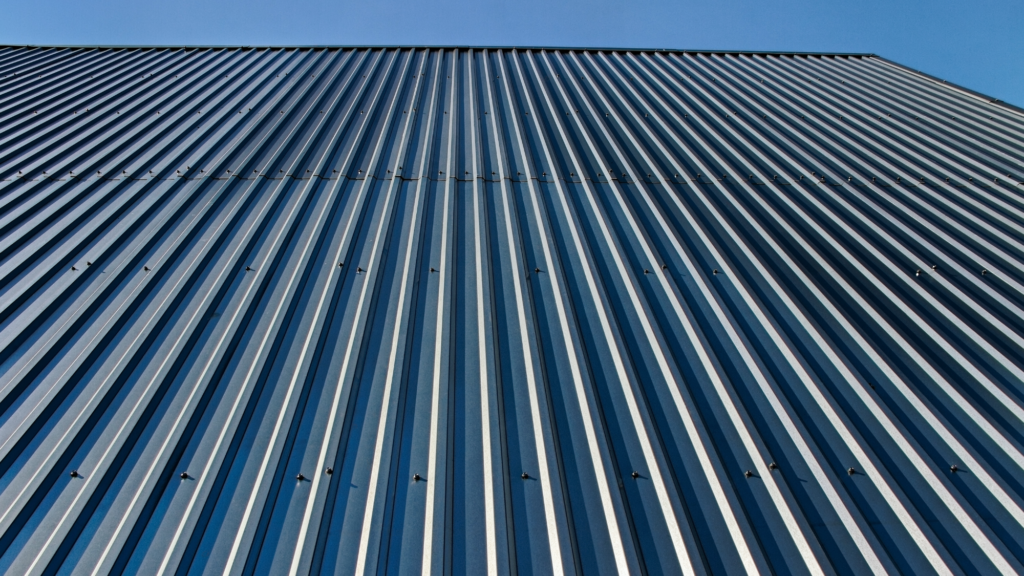
Metal roofing is one option that can perform well in demanding climates when it is properly designed, installed, insulated, ventilated, and maintained. Its performance in hot weather depends on several factors, including the metal type, protective finish, color, roof design, insulation, ventilation, and installation quality.
Understanding metal roof heat resistance can help Baton Rouge homeowners make more informed decisions when considering a new metal roof or maintaining an existing one.
What Does Metal Roof Heat Resistance Mean?
Metal roof heat resistance refers to the ability of a metal roofing system to withstand exposure to high temperatures and solar radiation while maintaining its structural and protective properties.
It is important to understand that heat resistance does not mean that a metal roof will remain cool under direct sunlight.
Like most roofing materials, metal roofing can become hot when exposed to the sun.
The important consideration is how the roofing system responds to that heat and how effectively the overall assembly manages heat transfer into the home.
A roof’s performance depends on more than the temperature of the outside surface.
Insulation, ventilation, air sealing, roof color, reflectivity, roof orientation, attic construction, and the space between roofing layers can all influence indoor comfort.
Why Baton Rouge Homes Need Heat-Resistant Roofing
Baton Rouge has a humid subtropical climate, with hot summers and substantial rainfall throughout the year. NOAA and National Weather Service climate information identifies the area as humid subtropical and notes abundant moisture and rainfall.
During July and August, average high temperatures at Baton Rouge Ryan Field are around 92°F.
Roof surfaces can become considerably hotter than the surrounding air when exposed to direct sunlight.
This means the roofing system must repeatedly handle:
- High surface temperatures
- Direct ultraviolet exposure
- Daily heating and cooling cycles
- Thermal expansion and contraction
- Humidity
- Rainfall
- Wind
- Severe weather
A properly designed metal roofing system can be built to handle these conditions.
This is one reason metal roof heat resistance is an important consideration for homeowners choosing roofing materials in southern Louisiana.
How Sunlight Affects a Roof
Solar radiation is one of the largest sources of heat affecting a residential roof.
When sunlight reaches the roof, some energy is reflected away while some is absorbed by the roofing material.
The amount absorbed depends partly on the surface color, finish, material, and solar reflectance characteristics of the roof.
A darker roof generally absorbs more solar energy than a highly reflective roof under comparable conditions.
However, color is not the only factor that determines roof performance.
The entire roofing assembly must be considered when evaluating metal roof heat resistance.
Metal Roofing Does Not Automatically Mean a Cool Roof
A common misconception is that every metal roof will automatically keep a home cooler.
Metal roofing can become very hot in direct sunlight.
The advantage comes from how the system is designed and how its components work together.
A metal roof with a highly reflective finish, appropriate insulation, good ventilation, and proper installation may manage heat differently from a dark metal roof installed directly over a poorly insulated attic.
Homeowners should therefore evaluate the complete system rather than focusing only on the material itself.
Reflective Metal Roofing and Solar Heat
One of the ways metal roofing can improve hot-weather performance is through reflective finishes.
Certain coatings and finishes are designed to reflect more solar radiation.
The amount of solar energy absorbed by a roof affects how much heat is available to transfer into the building.
Reflective roofing surfaces can therefore play a role in reducing solar heat gain.
This does not mean that a reflective roof eliminates the need for insulation or air conditioning.
Instead, it can work together with other components to help manage the home’s thermal environment.
For homeowners researching metal roof heat resistance, the roof’s reflectivity is an important factor to discuss with a roofing professional.
Roof Color Matters
The color of a metal roof can influence its solar performance.
Dark colors can absorb more solar radiation than lighter or more reflective colors.
However, modern metal roofing products are available with a wide range of finishes designed for different performance and aesthetic requirements.
When selecting a roof color, Baton Rouge homeowners may want to consider both appearance and solar performance.
A roofing professional can help explain the characteristics of available finishes.
Protective Coatings and Sun Exposure
Metal roofing commonly includes protective coatings or finishes.
These finishes serve several purposes, including improving appearance and helping protect the metal substrate from environmental exposure.
Long-term exposure to sunlight can gradually affect exterior finishes.
Ultraviolet radiation can contribute to fading, chalking, or other forms of surface weathering depending on the coating system.
Quality roofing finishes are designed for outdoor exposure, but they still require appropriate maintenance.
A roof’s coating should be compatible with the metal substrate and appropriate for the local climate.
Metal Roof Heat Resistance and Thermal Expansion
One of the most important characteristics of metal roofing is its response to temperature changes.
Metal expands when heated and contracts when it cools.
This process is called thermal expansion and contraction.
Because Baton Rouge experiences significant heat during the summer, metal roofs can undergo repeated daily temperature changes.
Properly designed roofing systems account for this movement.
Fasteners, seams, clips, flashing, and other components need to be installed in ways that accommodate expected movement.
This is an important part of achieving reliable metal roof heat resistance over the long term.
Why Proper Installation Matters
A high-quality roofing material can still experience problems if it is improperly installed.
Installation details can influence how the roof responds to heat and movement.
Problems may develop when:
- Fasteners are improperly installed
- Panels are incorrectly aligned
- Seams are improperly secured
- Flashing restricts movement
- Expansion allowances are inadequate
- Penetrations are poorly detailed
- Roofing components are incompatible
Professional installation helps ensure that the roofing system is designed around the expected environmental conditions.
Metal Roofing and Insulation
The roof covering is only one layer of a home’s thermal defense.
Insulation helps slow heat transfer between the roof or attic and the living areas below.
This is especially important in Baton Rouge, where air conditioning is a major part of maintaining comfortable indoor temperatures.
A well-insulated roof assembly can reduce the amount of heat transferred into the home.
Insulation and metal roof heat resistance should therefore be considered together.
A highly reflective metal roof can reduce solar absorption, while insulation can reduce heat transfer through the building envelope.
The Role of Attic Ventilation
Attic ventilation is another important component of hot-weather roof performance.
Proper ventilation can help move heated air out of an attic and allow replacement air to enter through appropriate intake openings.
A balanced system may include soffit intake and ridge or other exhaust ventilation, depending on the roof design.
Ventilation does not make the metal roof itself cold.
Instead, it helps manage conditions within the attic or roof assembly.
Proper metal roof heat resistance should therefore be evaluated as part of the entire roof system.
Above-Sheathing Ventilation
Some metal roofing assemblies can incorporate an air space between the metal roof and the underlying roof deck.
This approach is sometimes referred to as above-sheathing ventilation.
The Metal Construction Association describes above-sheathing ventilation as airflow through the space between roof cladding and the roof deck or subassembly. The organization notes that this approach can help move roof temperatures closer to outdoor ambient conditions and reduce heat transfer.
This type of design can be particularly relevant in hot climates.
However, it must be engineered and installed correctly for the specific roofing system.
How Metal Roofing Handles Repeated Heat Cycles
A roof does not experience one single period of heat.
Instead, it goes through repeated cycles.
A typical summer day may involve:
- The roof warms rapidly after sunrise.
- Solar exposure increases surface temperature.
- The metal expands.
- The roof reaches its highest daytime temperatures.
- The roof gradually cools after sunset.
- The metal contracts.
This cycle repeats throughout the summer.
A properly installed metal roofing system is designed to accommodate normal movement associated with temperature changes.
This contributes to long-term metal roof heat resistance.
Why Fasteners Matter in Hot Weather
Fasteners connect roofing components to the supporting structure.
Because metal panels move as temperatures change, fasteners need to be installed correctly.
Loose, overdriven, improperly positioned, or deteriorated fasteners can create problems.
Thermal movement can gradually expose weaknesses in poorly installed connections.
Regular inspections can help identify fastener issues before they become more significant.
Seams and Thermal Movement
Metal roofing seams also need to accommodate movement.
Standing seam systems, for example, use specific connection methods that allow panels to move while remaining attached to the structure.
The exact design depends on the roofing system.
If seams are improperly installed or restricted, thermal movement can place stress on components.
For homeowners considering metal roof heat resistance, it is important to ask about how the selected roofing system accommodates expansion and contraction.
Metal Roof Heat Resistance and UV Exposure
Heat is only part of the challenge.
The sun also exposes roofing materials to ultraviolet radiation.
Long-term UV exposure can affect coatings, sealants, and other exterior components.
High-quality roofing finishes are designed to withstand outdoor exposure, but all materials age over time.
Routine inspections can identify:
- Fading
- Chalking
- Peeling
- Surface deterioration
- Cracking sealants
- Exposed metal
- Corrosion
Early maintenance can help protect the roof’s exterior finish.
Can Extreme Heat Damage a Metal Roof?
Metal roofing is designed for outdoor exposure, including high temperatures.
Extreme heat alone does not necessarily mean a properly installed metal roof will fail.
However, heat can contribute to normal material movement and accelerate aging of certain components.
The actual performance depends on:
- Metal type
- Coating
- Roof color
- Installation
- Ventilation
- Insulation
- Roof design
- Maintenance
- Local weather exposure
The goal is not to prevent the metal from becoming warm.
The goal is to make sure the roofing system can handle normal environmental stresses without premature failure.
Metal Roofing and Energy Efficiency
Homeowners often consider energy efficiency when choosing roofing materials.
A roof can influence the amount of solar heat entering a building.
Reflective roofing, insulation, ventilation, and air sealing can all contribute to reducing heat transfer.
However, energy performance depends on the complete home.
Windows, doors, walls, insulation levels, HVAC equipment, ductwork, and air leakage all affect cooling demand.
Therefore, metal roof heat resistance should be considered one part of a larger energy-efficiency strategy.
Metal Roof Heat Resistance and Air Conditioning
Baton Rouge homeowners rely heavily on air conditioning during the summer.
The roof is one of the largest surfaces exposed to direct sunlight, so managing roof-related heat gain can support overall comfort.
A properly designed roof assembly may help reduce the amount of heat entering the attic and living areas.
This can potentially reduce the workload placed on the cooling system.
However, actual energy savings vary from one home to another.
A roofing contractor can evaluate the roof, insulation, ventilation, and other factors to determine where improvements may be appropriate.
The Importance of Roof Ventilation in Baton Rouge
Ventilation can be particularly important during hot weather.
When heated air accumulates in the attic, the attic temperature can rise significantly.
A properly designed ventilation system can help exhaust some of that heat.
The National Weather Service’s Baton Rouge climate data demonstrate how consistently warm the region can be during summer, with normal July and August high temperatures around 92°F.
Proper ventilation can help manage these conditions as part of a complete roof assembly.
Metal Roof Heat Resistance During Severe Weather
Baton Rouge homeowners also need to consider the fact that extreme heat is not the only environmental challenge.
The region experiences thunderstorms, heavy rainfall, and strong winds.
A metal roof must therefore be designed to handle multiple types of weather simultaneously.
Heat-resistant performance should not come at the expense of proper water management or wind resistance.
Flashing, seams, fasteners, roof edges, and penetrations all need to be appropriately designed.
Roof Pitch and Heat Performance
Roof pitch affects how a roofing system handles sunlight, rainwater, and ventilation.
A steeper roof may have different solar exposure and drainage characteristics than a low-slope roof.
The roof design also influences attic space and ventilation options.
When evaluating metal roof heat resistance, homeowners should consider the entire geometry of the roof rather than focusing only on the roofing material.
Roof Orientation and Sun Exposure
The direction a roof faces can affect how much direct sunlight different sections receive.
South-, east-, and west-facing surfaces may have different patterns of solar exposure depending on the home’s location and surrounding structures.
Trees and neighboring buildings can also provide partial shade.
Although homeowners cannot always change roof orientation, understanding solar exposure can help when selecting colors, finishes, insulation, and ventilation strategies.
Trees and Shade
Trees can provide valuable shade around a home.
Shade can reduce direct solar exposure on portions of a roof.
However, trees also require maintenance.
Branches can fall during storms, and leaves or debris can accumulate on the roof and in gutters.
Homeowners should maintain vegetation around the property while keeping potential roof hazards in mind.
Maintaining a Metal Roof in Extreme Heat
Regular maintenance helps preserve the performance of a metal roof.
Homeowners should periodically inspect for:
- Rust
- Scratches
- Loose fasteners
- Damaged flashing
- Deteriorated sealants
- Coating problems
- Panel damage
- Blocked drainage
- Debris
- Storm damage
A professional inspection can identify problems that may not be visible from the ground.
Signs of Heat-Related Roofing Problems
Heat exposure can contribute to several observable conditions.
Homeowners may notice:
- Faded coatings
- Chalking
- Deteriorated sealants
- Loose components
- Changes around fasteners
- Warped or damaged materials
- Increased attic temperatures
- Poor indoor comfort
These conditions do not automatically indicate a roof failure.
They should be evaluated in context.
Metal Roof Coatings and Heat Management
Some metal roof coatings are designed with reflective properties.
These coatings can increase the amount of sunlight reflected away from the roof surface.
A reflective coating may be particularly useful when restoring an existing metal roof that is otherwise structurally sound.
However, coating selection should be based on the existing roof material, condition, compatibility, and intended performance.
A coating should not be used to conceal significant structural deterioration.
Choosing a Metal Roof Color for Louisiana
Color is both an aesthetic and performance consideration.
Homeowners choosing a metal roof should consider how different colors and finishes respond to solar exposure.
Lighter and more reflective finishes can generally reduce solar absorption compared with darker surfaces under similar conditions.
However, homeowners should also consider architectural style, neighborhood appearance, maintenance requirements, and the specific performance characteristics of the product.
A roofing professional can explain available options.
Why Quality Installation Supports Heat Resistance
The best metal roofing product cannot compensate for poor installation.
A properly installed roof should account for:
- Thermal movement
- Fastener placement
- Panel alignment
- Flashing
- Ventilation
- Insulation
- Roof penetrations
- Drainage
- Manufacturer specifications
These details affect how the roof performs under heat and other environmental conditions.
For homeowners, choosing an experienced roofing contractor is therefore an important part of achieving reliable metal roof heat resistance.
When to Consider a Metal Roof Replacement
An aging metal roof may eventually require significant repairs or replacement.
Signs that a roof deserves professional evaluation include:
- Extensive corrosion
- Repeated leaks
- Severe panel damage
- Widespread coating deterioration
- Structural concerns
- Persistent moisture problems
- Extensive storm damage
- Repeated repair needs
A professional inspection can help determine whether the existing roof can be restored or whether replacement is more appropriate.
Metal Roof Heat Resistance and Long-Term Durability
Durability is one of the reasons homeowners consider metal roofing.
When properly selected and installed, metal roofing can provide long-term service.
Its ability to withstand heat depends on the roofing system as a whole.
Proper materials, installation, insulation, ventilation, drainage, and maintenance all contribute to long-term performance.
This comprehensive approach is particularly important in a climate like Baton Rouge.
Why Choose Stalwart Roofing?
At Stalwart Roofing in Baton Rouge, Louisiana, we understand the demands that local weather places on residential roofing systems.
When homeowners consider a metal roof, we look beyond the appearance of the panels.
We consider how the roof will handle:
- Intense sunlight
- High temperatures
- Thermal movement
- Heavy rain
- Humidity
- Wind
- Roof drainage
- Ventilation
- Insulation
- Long-term maintenance
Our goal is to help homeowners understand the complete roofing system and make decisions based on the condition and needs of their property.
For homeowners researching metal roof heat resistance, professional evaluation can help identify the roofing materials, finishes, insulation, and ventilation strategies that may be appropriate.
Protecting Your Home From Louisiana Heat
Extreme heat can affect more than the roof.
It can influence attic temperatures, indoor comfort, air-conditioning demand, and the aging of exterior building materials.
A well-designed roofing system can help manage these conditions.
Metal roofing can be an effective choice for homeowners who want a durable exterior roofing material, particularly when the system is properly designed for the local environment.
The combination of reflective finishes, insulation, ventilation, appropriate installation, and routine maintenance can help the roof perform more effectively under intense sunlight.
A Complete Approach to Metal Roof Performance
Homeowners should avoid evaluating a roof based on one characteristic.
A metal roof may have excellent durability, but the home’s insulation could be inadequate.
A reflective roof may reduce solar absorption, but poor ventilation could still create uncomfortable attic conditions.
A well-insulated roof may perform well thermally, but damaged flashing could allow water intrusion.
The best approach is to evaluate the complete system.
This is why metal roof heat resistance should be considered alongside moisture management, wind resistance, drainage, insulation, ventilation, and maintenance.
Final Thoughts
Baton Rouge homeowners face significant heat and sun exposure throughout the year. Normal July and August high temperatures at Baton Rouge Ryan Field are around 92°F, and the area has also experienced periods of much more extreme heat. The National Weather Service documented an extraordinary August 2023 at Baton Rouge Airport, including 24 days with temperatures of at least 100°F.
A properly selected and installed metal roofing system can be designed to handle these demanding conditions.
Metal roof heat resistance depends on much more than the metal itself. Roof color, reflective coatings, insulation, ventilation, roof design, fasteners, seams, flashing, and installation quality all contribute to how a roofing system responds to extreme heat and sunlight.
Metal roofing can become hot under direct sunlight, but the goal of a well-designed system is to manage that heat effectively and prevent unnecessary transfer into the home.
For Baton Rouge homeowners, this means looking at the entire roofing assembly rather than simply asking whether metal is a heat-resistant material.
With the right materials, proper installation, effective insulation and ventilation, and regular maintenance, metal roof heat resistance can become an important part of a roofing strategy designed to provide durable protection and long-term performance for your Baton Rouge home.