What Is the Most Common Commercial Roof Used Today?
The most common commercial roof used today is built-up roofing (BUR), followed by single-ply and metal roofing systems. These roofing types dominate commercial buildings because of durability, cost efficiency, and weather resistance. When it comes to commercial buildings, the type of roofing material used plays a crucial role in the overall functionality, durability, and aesthetics of the structure. Commercial roofs are designed to withstand harsh weather conditions, provide insulation, and protect the interior of the building from damage. With a wide range of roofing materials available in the market, it can be challenging for building owners to choose the most suitable option for their property. In this blog post, we will explore the most common commercial roof types and discuss their features, benefits, and drawbacks.
Why Are Certain Commercial Roof Types More Common Than Others?
Certain commercial roof types are more common because they perform better on flat or low-slope buildings. Cost, lifespan, maintenance needs, and climate compatibility determine popularity. When it comes to commercial roofing, there are several common types of roofing systems that are widely used in the industry. Each type of commercial roof has its own unique features, benefits, and drawbacks, making it important for building owners to understand their options before making a decision. In this section, we will delve into the most common commercial roof types to help you gain a better understanding of their characteristics and applications.
1. Is Built-Up Roofing (BUR) the Most Common Commercial Roof Type?
Yes, built-up roofing (BUR) is one of the most common commercial roof types for flat and low-slope buildings. Its layered construction provides strong waterproofing and long-term durability.
Built-Up Roofing, also known as tar and gravel roofing, is one of the oldest and most traditional commercial roofing systems. BUR roofs are constructed by layering multiple alternating plies of bitumen-saturated felt or fabric with bitumen (asphalt or coal tar) in between. These layers are then topped with a gravel or mineral surface for protection against UV rays and weathering.
Built-Up Roofing systems are known for their durability and longevity, making them a popular choice for low-slope or flat commercial roof types. They provide excellent waterproofing and can withstand heavy foot traffic, making them suitable for buildings with rooftop equipment or frequent maintenance needs. However, BUR roofs can be heavy, require regular maintenance to prevent leaks, and may be more labor-intensive to install compared to other roofing systems.
2. Why Is Metal Roofing Popular for Commercial Buildings?
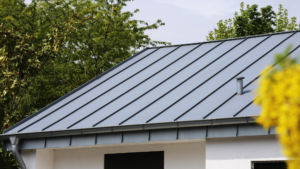
Metal roofing is popular for commercial buildings because it offers long lifespan, energy efficiency, and low maintenance. It performs especially well in extreme weather conditions.
Metal roofing is a versatile and durable option for commercial buildings, offering a wide range of materials such as steel, aluminum, and copper. Metal roofs are known for their longevity, energy efficiency, and low maintenance requirements. They are lightweight, fire-resistant, and recyclable, making them a sustainable choice for eco-conscious building owners.
Metal roofing systems can be installed in various forms, including standing seam panels, corrugated sheets, and metal shingles. They provide excellent protection against elements like wind, rain, snow, and hail, making them a popular choice for commercial properties in areas prone to severe weather conditions. While metal roofs may have a higher upfront cost compared to some other roofing materials, their long lifespan and energy-saving benefits can result in cost savings over time.
3. What Makes Single-Ply Roofing a Common Commercial Choice?
Single-ply roofing is commonly used in commercial properties due to its lightweight structure and fast installation. TPO and EPDM membranes are especially popular for flat roofs.
Single-ply Roofing systems are lightweight, flexible, and easy to install, making them a cost-effective choice for commercial buildings with low-slope or flat roofs. The two most common types of single-ply membranes used in commercial roofing are TPO (thermoplastic polyolefin) and EPDM (ethylene propylene diene terpolymer).
TPO roofing membranes are known for their heat-reflective properties, energy efficiency, and resistance to UV radiation. They are available in various colors and thicknesses to suit different building requirements. EPDM roofing membranes, on the other hand, are highly durable, weather-resistant, and cost-effective. They offer excellent protection against ozone, extreme temperatures, and hail damage.
Single-Ply Roofing systems are resistant to chemicals, punctures, and tears, making them a reliable choice for commercial properties in industrial or hazardous environments. These roofing systems require minimal maintenance and offer excellent waterproofing properties, helping to protect the interior of the building from water damage and leaks.
4. How Does Modified Bitumen Compare to Other Commercial Roof Types?
Modified bitumen roofing combines the durability of BUR with the flexibility of single-ply systems. It is commonly used on commercial roofs requiring extra weather resistance.
Modified Bitumen Roofing is a hybrid roofing system that combines the durability of built-up roofing with the flexibility of single-ply membranes. It is composed of asphalt-based sheets that are modified with polymers to enhance strength, elasticity, and weather resistance. Modified bitumen roofs are easy to install, repair, and maintain, making them a popular choice for commercial properties with low-slope or flat roofs.
Modified bitumen roofing systems are available in two main types: SBS (Styrene-Butadiene-Styrene) and APP (Atactic Polypropylene). SBS modified bitumen membranes offer enhanced flexibility and elongation properties, making them suitable for buildings in regions with extreme temperature fluctuations. On the other hand, APP modified bitumen membranes provide superior UV resistance and heat-welding capabilities, ensuring long-lasting performance in hot climates.
Modified Bitumen Roofing systems are known for their durability, weather resistance, and ease of installation. They offer excellent protection against water infiltration, UV radiation, and mechanical damage, making them a reliable choice for commercial properties with demanding roofing requirements. With proper maintenance and regular roof inspections, modified bitumen roofs can provide long-term protection and performance for commercial buildings.
What Are the Pros and Cons of Common Commercial Roofing Systems?
Each common commercial roofing system has advantages and limitations depending on cost, durability, and maintenance needs. Understanding these pros and cons helps building owners make informed decisions.
Built-Up Roofing:
Pros: Longevity, durability, ability to withstand heavy foot traffic.
Cons: Heavyweight, requires regular maintenance.
Metal Roofing:
Pros: Durability, longevity, energy efficiency, recyclability.
Cons: Higher upfront cost, potential for noise during rain or hail.
Single-Ply Roofing:
Pros: Lightweight, flexible, easy to install.
Cons: Susceptible to punctures, may require more frequent repairs.
Modified Bitumen Roofing:
Pros: Durability, flexibility, easy maintenance.
Cons: Limited color options, may be prone to heat damage.
Why Should You Hire a Professional Commercial Roofing Contractor?
Hiring a professional commercial roofing contractor ensures correct installation, material quality, and long-term roof performance. Experienced contractors reduce costly mistakes and future repairs.
Stalwart Roofing is a Certified roofing company serving Baton Rouge, LA, and Alexandria, NE, with a commitment to providing high-quality commercial roofing solutions. Here are some reasons why you should choose Stalwart Roofing for your commercial roofing needs:
1. Expertise and Experience: Stalwart Roofing has years of experience in the roofing industry, specializing in commercial roofing projects of all sizes and complexities. Our team of skilled professionals is trained to handle various roofing materials and systems, ensuring that your commercial roof types is installed, repaired, or maintained with precision and care.
2. Quality Materials and Workmanship: At Stalwart Roofing, we only use top-quality roofing materials from reputable manufacturers to ensure the longevity and performance of your commercial roof types. Our experienced roofers follow industry best practices and standards to deliver superior workmanship and craftsmanship on every project.
3. Customized Solutions: We understand that every commercial building is unique, which is why we offer customized roofing solutions tailored to meet your specific needs and budget. Whether you need a new roof installation, roof repair, maintenance, or roof replacement, Stalwart Roofing can develop a personalized plan that addresses your requirements and exceeds your expectations.
4. Exceptional Customer Service: Customer satisfaction is our top priority at Stalwart Roofing. From the initial consultation to project completion, our team is dedicated to providing excellent customer service, clear communication, and timely updates throughout the roofing process. We strive to ensure that your experience with us is positive, stress-free, and efficient.
5. Competitive Pricing and Warranty: Stalwart Roofing offers competitive pricing for our commercial roofing services without compromising on quality or reliability. We stand behind our workmanship and materials with comprehensive warranties to give you peace of mind and confidence in the durability and performance of your commercial roof types.
Frequently Asked Questions About Most Common Commercial Roof Types
1: Which commercial roof type lasts the longest?
Metal roofing typically lasts the longest among commercial roof types, often exceeding 40–50 years with proper maintenance. Built-up and modified bitumen roofs also offer long lifespans when installed correctly.
2: Are flat commercial roofs more common than sloped roofs?
Yes, flat and low-slope roofs are more common in commercial buildings because they are cost-effective, easier to maintain, and suitable for HVAC equipment installation.
3: What commercial roofing material requires the least maintenance?
Metal roofing generally requires the least maintenance due to its resistance to moisture, fire, and weather damage. Single-ply membranes also need minimal upkeep compared to traditional systems.
4: How does climate affect the choice of commercial roofing?
Climate directly impacts material selection, as hot regions benefit from reflective membranes while storm-prone areas require impact-resistant roofing systems like metal or modified bitumen.
5: When should a commercial roof be replaced instead of repaired?
A commercial roof should be replaced when it has widespread leaks, structural damage, or has reached the end of its expected lifespan despite repeated repairs.
How Do You Choose the Right Commercial Roof for Your Building?
Choosing the right commercial roof depends on building structure, climate, budget, and long-term maintenance goals. Professional evaluation ensures the best roofing system selection. In conclusion, choosing the right commercial roof for your property is essential to protect your investment and ensure the safety and functionality of your building. With various roofing options available, it’s crucial to consider factors such as durability, longevity, energy efficiency, commercial roof maintenance requirements, and budget when selecting a commercial roofing system.
If you are looking for professional commercial roofing services in Baton Rouge, LA, and Alexandria, NE, Stalwart Roofing is your trusted partner for all your roofing needs. Contact us today to learn more about our services, schedule a consultation, or request a quote for your commercial roofing project. Let Stalwart Roofing be your reliable partner in creating a durable, efficient, and high-quality roof for your commercial building.