Choosing the right commercial roof ensures durability, energy efficiency, and protection for your building. Various roofing systems offer unique benefits depending on climate, design, and budget. With a plethora of options available in the market today, selecting the best roof for your commercial building requires careful consideration of various factors such as climate, building design, budget, and maintenance requirements. In this comprehensive guide, we will explore the various types of commercial roofing systems available and help you determine the best roof for your commercial building.
Why Is Choosing the Right Commercial Roof So Important?
A roof protects your building, occupants, and assets from weather damage. It also affects energy costs and overall building performance. A commercial roof serves as the first line of defense against the elements, protecting the building, its contents, and occupants from harsh weather conditions, such as rain, wind, snow, and UV radiation. In addition to providing protection, the roof also plays a significant role in enhancing energy efficiency and reducing operating costs. Therefore, selecting a roof that is durable, weather-resistant, energy-efficient, and cost-effective is essential for the long-term performance of a commercial building.
What Are the Most Common Commercial Roofing Systems?
Types of Commercial Roofing Systems include flat roofs, metal roofs, green roofs, and built-up roofing. Each system has strengths suited to different building needs.
1.What Are Flat Roofing Systems and When Should You Use Them?
Flat roofs are a popular choice for commercial buildings due to their cost-effectiveness and ease of installation. Flat roofs are cost-effective and ideal for large buildings. They can support equipment like HVAC units or solar panels. Common materials used for flat roofs include built-up roofing (BUR), single-ply membranes (TPO, PVC, EPDM), and modified bitumen. Flat roofs are ideal for buildings with large, uninterrupted roof areas and can accommodate rooftop equipment such as HVAC units and solar panels.
2. Why Are Metal Roofing Systems a Smart Choice for Commercial Buildings?
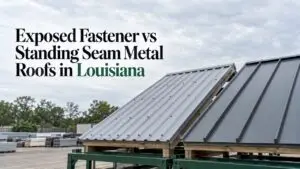
Metal roofs provide longevity, fire resistance, and low maintenance. They withstand harsh weather and come in various styles. Metal roofs are known for their durability, longevity, and low maintenance requirements. Metal roofing materials such as steel, aluminum, and copper offer excellent resistance to fire, wind, and impacts. Metal roofs are available in various styles, including standing seam, corrugated panels, and metal shingles, making them a versatile option for commercial buildings.
3. What Are Green Roofing Systems and Their Benefits?
Green roofs offer insulation, reduce stormwater runoff, and improve air quality. They promote sustainability but require proper maintenance. Green roofs, also known as vegetative roofs, are becoming increasingly popular for commercial buildings due to their environmental benefits and energy-saving potential. Green roofs consist of a layer of vegetation planted on top of a waterproofing membrane, providing insulation, reducing stormwater runoff, and improving air quality.
4. What Is Built-Up Roofing (BUR) and Where Is It Used?
BUR consists of layered asphalt and fabrics for durability and waterproofing. Best for flat or low-slope commercial roofs. Built-up roofing systems consist of multiple layers of asphalt or bitumen felts alternated with layers of reinforcing fabrics. BUR roofs are known for their durability and waterproofing properties, making them suitable for flat or low-slope commercial roofs.
What Factors Should You Consider When Choosing a Commercial Roof?
Climate, budget, energy efficiency, maintenance, building design, and local codes all affect roof selection.
1. How Does Climate Affect Commercial Roofing Choices?
Temperature extremes, precipitation, and wind speeds impact the performance of roofing materials. Choosing a climate-appropriate system prevents early damage. Commercial roof climate considerations of the region where the building is located plays a significant role in determining the best type of roof. Factors such as temperature extremes, precipitation levels, and wind speeds should be considered when selecting a roofing system.
2. How Does Budget Influence Your Commercial Roofing Decision?
Roofing costs vary by material, installation complexity, and long-term maintenance. A balance of upfront cost and lifespan ensures value. The budget allocated for the roofing project will influence the choice of materials and roofing system. It is important to strike a balance between upfront costs and long-term maintenance expenses to ensure the best return on investment.
3. Why Is Energy Efficiency Important for Commercial Roofs?
Energy-efficient roofing systems can help reduce heating and cooling costs by improving insulation and reflecting solar heat. Consider choosing a roof with a high solar reflectance index (SRI) and thermal emittance to enhance energy efficiency.
4. Why Should Building Design Be Considered for Roofing?
Roof slope, access, and aesthetics impact which system works best. Compatibility ensures performance and appearance. Some roofing systems require frequent inspections, cleaning, or repairs. Consider long-term upkeep when selecting a system. Different types of roofing systems have varying maintenance requirements. Consider the ease of maintenance, repair costs, and expected lifespan of Factors to Consider When Choosing a Commercial Roof
5. Why Should Building Design Be Considered for Roofing?
Roof slope, access, and aesthetics impact which system works best. Compatibility ensures performance and appearance. The architectural design of the building can influence the choice of roofing system. Factors such as roof slope, access to the roof, and aesthetic considerations should be taken into account when selecting a commercial roof.
6. How Do Codes and Regulations Influence Commercial Roofing?
Local building codes dictate materials and installation standards. Using a certified contractor ensures compliance.
Compliance with local building codes and regulations is crucial when installing a commercial roof. Make sure to work with a reputable roofing contractor who is familiar with local codes and can ensure that the roof meets all necessary requirements.
Which Commercial Roof Is the Best Choice?
The best roof depends on your building’s needs, climate, and budget. Single-ply membranes, metal, green, and BUR roofs are top options. When it comes to determining the best roof for a commercial building, there is no one-size-fits-all solution. The optimal roofing system will depend on a combination of the factors mentioned above, as well as the specific needs and priorities of the building owner. However, some roofing systems stand out as top choices for commercial buildings based on their performance, durability, and energy efficiency.
1. Single-Ply Membrane Roofing: Single-ply membrane roofing systems, such as TPO (thermoplastic polyolefin) and EPDM (ethylene propylene diene terpolymer), are popular choices for commercial buildings due to their durability, flexibility, and ease of installation. These roofing systems offer excellent weather resistance, UV protection, and energy efficiency, making them ideal for a wide range of commercial applications.
2. Metal Roofing: Metal roofing systems, including standing seam metal roofs and metal shingles, are renowned for Metal roofing longevity, durability, and low maintenance requirements. Metal roofs offer excellent resistance to fire, wind, and impacts, making them a reliable choice for commercial buildings in various climates.
3. Green Roofing: Green roofing systems provide numerous environmental benefits, including improved insulation, reduced stormwater runoff, and enhanced biodiversity. While green roofs require a higher upfront investment, they can deliver long-term savings through energy efficiency and environmental sustainability.
4. Built-Up Roofing (BUR): Built-up roofing systems remain a popular choice for flat or low-slope commercial roofs due to their proven durability and waterproofing properties. BUR roofs are composed of multiple layers of asphalt and reinforcing fabrics, providing reliable protection against the elements.
Why Should You Hire Stalwart Roofing for Commercial Roofing Projects?
Experienced contractors like Stalwart Roofing ensure proper installation, quality materials, and long-term performance. When it comes to installing or replacing the roof on your commercial building, choosing the right roofing contractor is essential to ensure a successful and long-lasting installation. Stalwart Roofing, with locations in Baton Rouge, LA, and Alexandria, NE, is a trusted name in the roofing industry, known for its expertise, reliability, and commitment to quality.
What Makes Stalwart Roofing the Trusted Choice?
Stalwart Roofing offers expertise, high-quality materials, customized solutions, emergency services, and a local presence.
Here are some reasons why you should choose Stalwart Roofing for your types of commercial roofing systems needs:
1. Experience and Expertise: With years of experience in the roofing industry, Stalwart Roofing has the knowledge and skills to handle a wide range of types of commercial roofing systems projects, from small repairs to large-scale installations.
2. Quality Materials and Workmanship: Stalwart Roofing uses high-quality materials and employs skilled roofing professionals to ensure that every project is completed to the highest standards of quality and craftsmanship.
3. Customer Satisfaction: Stalwart Roofing is dedicated to customer satisfaction and strives to exceed expectations on every project. From the initial consultation to the final inspection, you can trust Stalwart Roofing to deliver exceptional service and results.
4. Local Presence: With a local presence in Baton Rouge, LA, and Alexandria, NE, Stalwart Roofing is committed to serving the roofing needs of commercial property owners in the region with prompt, reliable service and personalized attention.
5. Licensed and Insured: Stalwart Roofing is fully licensed, bonded, and insured, giving you peace of mind knowing that your types of commercial roofing systems is in good hands. Their team adheres to industry best practices and safety standards to ensure a safe and efficient installation process.
6. Customized Solutions: Stalwart Roofing understands that every commercial building is unique, which is why they offer customized roofing solutions tailored to meet the specific needs and requirements of each client. Whether you need roof repair, replacement, or maintenance services, Stalwart Roofing has the expertise to deliver exceptional results.
7. Transparent Pricing: Stalwart Roofing provides transparent pricing and detailed project estimates, so you know exactly what to expect before the work begins. Their team will work closely with you to develop a roofing solution that fits your budget without compromising on quality.
8. Emergency Services: In the event of a roofing emergency, such as storm damage or leaks, Stalwart Roofing offers prompt emergency repair services to help protect your property and minimize downtime. Their team is available 24/7 to address urgent roofing issues and ensure the safety and integrity of your commercial building.
Frequently Asked Questions About Commercial Roofing Systems
Q1: What are the best types of commercial roofing systems?
A: The best systems include single-ply membranes, metal roofing, green roofs, and built-up roofing, each offering durability, energy efficiency, and weather protection.
Q2: How does climate affect commercial roofing choices?
A: Climate impacts material performance, so selecting roofs resistant to rain, wind, and heat ensures long-term durability and reduces maintenance costs.
Q3: Why is energy efficiency important for commercial roofs?
A: Energy-efficient roofs reduce heating and cooling costs, improve insulation, and reflect solar heat, saving money over the roof’s lifespan.
Q4: How should I choose the right roofing contractor?
A: Choose licensed, insured, and experienced contractors with commercial roofing expertise and good customer reviews to ensure proper installation.
Q5: What maintenance is required for commercial roofs?
A: Routine inspections, cleaning debris, and timely repairs extend the roof’s lifespan and prevent costly damage or leaks.
How to Get Started with Your Commercial Roofing Project?
Consult with experts, assess your building needs, and plan for installation and maintenance. Professional guidance ensures the best results. In conclusion, choosing the best roof for your commercial building is a decision that requires careful consideration of various factors, including climate, budget, energy efficiency, and maintenance requirements. By selecting a reputable roofing contractor like Stalwart Roofing, you can ensure that your types of commercial roofing systems is completed with the highest level of quality, professionalism, and customer satisfaction. Whether you opt for a single-ply membrane roof, metal roof, green roof, or built-up roofing system, Stalwart Roofing has the expertise and experience to deliver exceptional results that will protect your investment for years to come.
If you need types of commercial roofing systems or services in Baton Rouge, LA, Alexandria, NE, or the surrounding areas, contact Stalwart Roofing today to schedule a consultation and discuss your roofing needs. Trust Stalwart Roofing to provide you with the best roof for your commercial building and ensure the long-term protection and performance of your valuable asset.