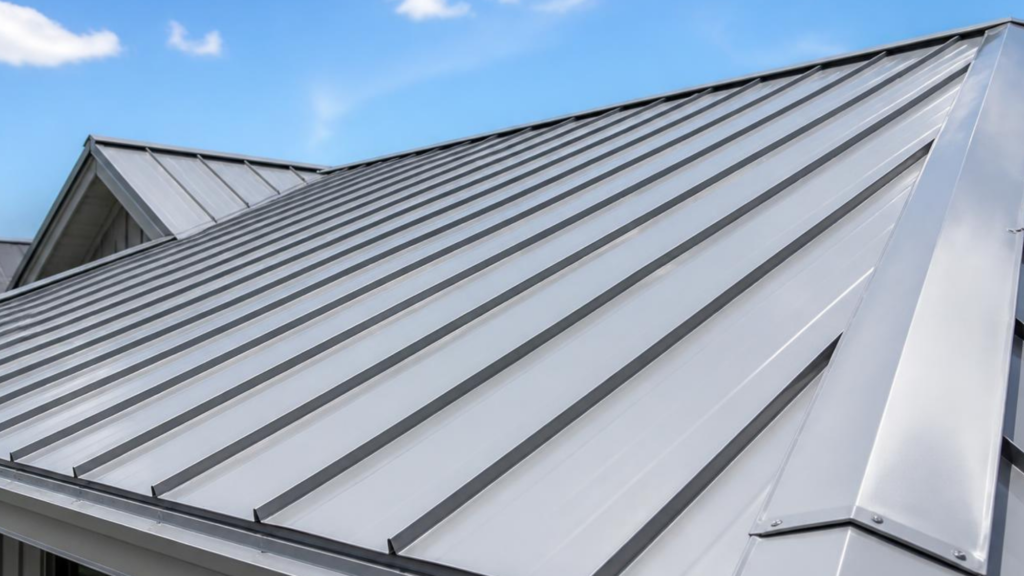
Metal roofing is known for its strength, durability, and ability to provide long-term protection for a home. For homeowners in Baton Rouge, Louisiana, metal roofing can be particularly appealing because it can withstand many of the weather conditions common across the region. However, even a durable metal roof is not immune to wear, weather exposure, or damage.
Learning how to recognize metal roof damage signs early can help homeowners address problems before they develop into expensive repairs. Small issues involving fasteners, seams, flashing, corrosion, or panels may not immediately cause an obvious leak inside the home. Over time, however, those problems can allow moisture to enter the roofing system and potentially affect the decking, insulation, attic, walls, or ceilings.
Baton Rouge homes experience intense sunlight, high humidity, heavy rainfall, strong thunderstorms, and seasonal severe weather. These conditions can place repeated stress on roofing materials. Knowing what to watch for can help homeowners stay ahead of developing roofing problems.
Why Early Metal Roof Damage Matters
Metal roofing can have a long service life when it is properly installed and maintained. However, durability does not mean that a roof can be ignored.
Every roofing system contains components that can gradually wear down. These include:
- Metal panels
- Fasteners
- Seams
- Flashing
- Sealants
- Roof penetrations
- Protective coatings
- Underlayment
- Gutters and drainage components
Damage to one component can eventually affect another.
For example, a deteriorating fastener may allow water to enter around the attachment point. A failed seal around a pipe penetration may permit moisture into the roofing assembly. A scratch that exposes underlying metal may eventually contribute to corrosion.
Recognizing metal roof damage signs while problems are still relatively small can make repairs more manageable.
Understanding the Most Common Metal Roof Damage Signs
Homeowners do not need to become roofing professionals to recognize potential warning signs. Many issues can be spotted from the ground or during a basic visual inspection around the property.
Some of the most important metal roof damage signs include visible rust, loose or missing fasteners, damaged panels, separated seams, deteriorating sealants, damaged flashing, water stains, unusual roof movement, and evidence of storm damage.
Not every unusual appearance means that a roof has failed. Some characteristics of metal roofing can be cosmetic rather than structural.
That is why homeowners should avoid making assumptions based on one observation. A professional inspection can determine whether an issue is minor, requires repair, or indicates more extensive deterioration.
Rust or Corrosion
One of the clearest metal roof damage signs is visible rust or corrosion.
Metal roofing typically includes protective finishes designed to shield the underlying material from environmental exposure. When that protective layer becomes scratched, damaged, worn, or compromised, moisture may eventually reach the metal underneath.
Baton Rouge’s humid environment makes corrosion an important issue to monitor.
Homeowners should pay particular attention to:
- Rust-colored spots
- Corroded fasteners
- Rust around panel edges
- Corrosion near seams
- Rust around scratches
- Discoloration near penetrations
- Areas where protective finishes have worn away
A small rust spot does not necessarily mean the entire roof needs replacement. Early evaluation may allow a localized issue to be addressed before corrosion becomes more extensive.
Loose or Backed-Out Fasteners
Another important group of metal roof damage signs involves fasteners.
Exposed-fastener metal roofs use screws to secure panels to the structure. Over time, temperature changes and normal movement can affect fasteners.
Homeowners may notice screws that appear raised, loose, tilted, or surrounded by darkened areas.
Damaged washers can also become a concern because they help seal the area around the fastener.
A loose fastener may seem like a minor issue, but it can become a potential path for water intrusion.
Professional inspection can determine whether fasteners need adjustment, replacement, or additional repairs.
Missing Fasteners
Missing screws are another warning sign that should not be ignored.
If a fastener is missing, an opening may remain in the roofing panel. Rainwater can potentially enter through that location, particularly during heavy or wind-driven rainfall.
Missing fasteners can result from age, improper installation, weather exposure, or mechanical damage.
After severe weather, homeowners should pay particular attention to visible changes around roof edges, seams, and exposed-fastener areas.
Damaged or Dented Panels
Metal panels can be damaged by falling branches, hail, debris, maintenance activity, or severe storms.
Dents do not always indicate a leak, but they deserve attention.
Some dents may be primarily cosmetic, while more severe impacts can affect seams, protective finishes, or panel integrity.
One of the important metal roof damage signs is a new dent or deformation that was not present before a storm or other event.
Homeowners should not climb onto the roof simply to inspect suspected damage. Metal roofing can be slippery, and walking on certain areas can create additional problems.
A professional can safely evaluate suspicious areas.
Scratches Through the Protective Finish
A scratch may look insignificant, especially if it is small.
However, a deep scratch that reaches the underlying metal can expose the surface to moisture and environmental conditions.
This is particularly important when damage occurs after branches or debris contact the roof.
Homeowners should look for:
- Long scratches
- Exposed metal
- Areas where paint has been removed
- Scrapes near roof edges
- Damage caused by falling branches
The appropriate response depends on the depth and extent of the damage and the type of metal roofing system.
Separated or Damaged Seams
Seams are critical to many metal roofing systems.
If seams separate, lift, shift, or become damaged, water may find a pathway into the roofing assembly.
Seam problems can be among the more significant metal roof damage signs because the roofing system depends on these connections to maintain weather resistance.
Homeowners should look for visible gaps, unusual separation, lifted areas, or changes in the appearance of seams.
Because seam problems can be difficult to evaluate from the ground, professional inspection may be necessary.
Deteriorating Sealants
Sealants are used around various roofing components to help control moisture.
Over time, sealants can become:
- Cracked
- Brittle
- Shrunk
- Separated
- Discolored
- Missing
Louisiana’s heat, humidity, ultraviolet exposure, and temperature changes can contribute to material aging.
Deteriorating sealant around a roof penetration or seam can create an opportunity for water to enter.
Homeowners should not automatically apply household caulk over a roofing problem. Roofing materials and sealants need to be compatible, and improper repairs can sometimes make future professional repairs more difficult.
Damaged Flashing
Flashing is used around transitions and areas where the roof meets other building components.
Common flashing locations include:
- Chimneys
- Walls
- Skylights
- Vents
- Dormers
- Roof edges
- Roof-to-wall transitions
Damaged, loose, corroded, or missing flashing can allow water to enter.
Flashing problems are therefore another important category of metal roof damage signs.
After a severe storm, homeowners should pay particular attention to visible flashing around roof penetrations and transitions.
Water Stains Inside the Home
Some of the most important metal roof damage signs are actually found inside the house.
A ceiling stain may indicate that water has entered through the roof.
Potential interior warning signs include:
- Brown or yellow ceiling stains
- Discolored drywall
- Bubbling paint
- Damp attic insulation
- Musty odors
- Moisture around ceiling penetrations
- Water appearing after rainfall
Water does not always travel directly downward from the original entry point.
A leak can enter around one roofing component and travel along decking, framing, insulation, or other surfaces before becoming visible inside.
That means the location of a ceiling stain does not necessarily identify the exact source of the roof problem.
Water in the Attic
Homeowners with accessible attics should occasionally look for evidence of moisture.
Potential warning signs include:
- Damp insulation
- Water staining
- Darkened wood
- Moisture around roof penetrations
- Musty smells
- Signs of condensation
- Mold-like growth
Not every attic moisture problem comes from a roof leak. Poor ventilation and condensation can also contribute to moisture.
A professional roofing evaluation can help determine whether the source is exterior water intrusion, condensation, ventilation, or another issue.
Sagging or Uneven Areas
A properly installed roof should maintain its intended shape.
Visible sagging or unusual deformation can indicate a more serious concern involving the roofing structure or underlying decking.
Sagging should not be treated as a cosmetic issue.
Among the most serious metal roof damage signs is a noticeable change in the roof’s shape.
If homeowners see a new sagging area, they should avoid walking on the roof and arrange for a professional assessment.
Ponding or Standing Water
Metal roofs are generally designed to shed water, but drainage problems can still occur depending on the roof design, pitch, gutters, and surrounding components.
Standing water that remains after rainfall can indicate drainage problems or areas where water is not flowing as intended.
Persistent moisture can increase the risk of corrosion and deterioration.
Homeowners should inspect gutters and downspouts regularly and have persistent drainage concerns evaluated.
Damaged Gutters and Downspouts
Gutters are part of the overall roof drainage system.
If gutters become clogged, detached, bent, or damaged, water may not drain away from the roof and foundation properly.
While gutter problems are not necessarily direct metal roof damage signs, they can contribute to conditions that affect the roof.
Leaves, pine needles, branches, and other debris can trap moisture against roofing components.
Keeping gutters clear is therefore an important part of metal roof maintenance.
Evidence of Storm Damage
Baton Rouge homeowners should inspect their roofs after significant storms.
Strong winds can move or damage roofing components. Hail and flying debris can create dents or scratches. Fallen branches can puncture panels or damage flashing.
Some storm damage is obvious, while other problems may be subtle.
After severe weather, homeowners should look for:
- New dents
- Scratches
- Missing components
- Bent flashing
- Damaged vents
- Loose trim
- Displaced panels
- Fallen branches
- Interior water stains
Professional inspection is especially useful when damage cannot safely be evaluated from the ground.
Changes Around Roof Penetrations
Every roof penetration creates an area that requires careful detailing.
Plumbing vents, exhaust vents, skylights, HVAC equipment, and other components can interrupt the continuous roofing surface.
The surrounding flashing, boots, and sealants should remain in good condition.
Changes such as cracked seals, lifted flashing, damaged boots, or gaps around penetrations can become potential leak sources.
These are often overlooked metal roof damage signs because homeowners naturally focus on the large panels rather than the smaller components around them.
Peeling or Failing Coatings
Many metal roofs have protective finishes designed to protect the underlying material.
Over time, coatings may fade, chalk, peel, or deteriorate.
Some degree of color change may be cosmetic, but widespread coating failure may expose the metal to environmental conditions.
Homeowners should pay attention to areas where the finish appears substantially different from surrounding panels.
A professional can determine whether the issue is normal aging, cosmetic deterioration, or a condition that requires maintenance.
Unusual Noises
Metal roofs naturally make some sounds as temperatures change.
However, new or unusually loud noises can sometimes indicate movement or loose components.
For example, homeowners may hear:
- Popping
- Rattling
- Repeated tapping
- Flapping
- Vibrations during wind
Noise alone does not prove that damage exists, but a noticeable change in roof sounds may justify an inspection.
This is especially true if the noise began after severe weather.
Changes in Roof Alignment
Metal roofing panels should maintain their intended position.
If a panel appears lifted, shifted, buckled, or misaligned, homeowners should have it evaluated.
Thermal expansion and contraction are normal characteristics of metal roofing, but unusual deformation can indicate a problem with installation, attachment, movement, or storm damage.
Visible changes in alignment should therefore be included among the metal roof damage signs homeowners monitor.
Why Baton Rouge Weather Makes Inspections Important
Louisiana’s climate creates a demanding environment for roofing systems.
Baton Rouge homes may experience:
- Intense summer heat
- High humidity
- Heavy rainfall
- Strong thunderstorms
- High winds
- Falling branches
- Seasonal severe weather
These conditions can repeatedly stress roofing materials.
A roof that appears fine from the ground may still have problems developing around fasteners, seams, flashing, or penetrations.
Regular inspections can help identify issues before they become major failures.
How Often Should a Metal Roof Be Inspected?
The appropriate inspection schedule depends on the roof’s age, condition, environment, maintenance history, and exposure to severe weather.
Many homeowners benefit from periodic professional inspections even when the roof appears to be performing normally.
An inspection should also be considered after significant storms, particularly when there is visible exterior or interior evidence of damage.
Older roofs may require closer monitoring than newer systems.
The goal is not to inspect only when something goes wrong. Preventative inspections can help identify metal roof damage signs while repairs may still be relatively manageable.
Why Homeowners Should Not Ignore Small Problems
It can be tempting to ignore a small rust spot, loose fastener, or damaged sealant because the roof is not actively leaking.
However, roofing problems can develop gradually.
A small opening can allow repeated moisture exposure. A damaged protective coating can expose underlying metal. A loose component can become more vulnerable during the next major storm.
Addressing problems early may reduce the chance of secondary damage.
This is one of the most important reasons homeowners should understand metal roof damage signs rather than waiting for a major leak.
What to Do When You Spot a Problem
If you notice a potential roofing issue, avoid making unnecessary repairs yourself.
Instead:
- Observe the issue from a safe location.
- Take photographs from the ground when possible.
- Check interior ceilings and attic areas for moisture.
- Note when the problem was first noticed.
- Consider whether a recent storm may have caused it.
- Contact a qualified roofing professional for an evaluation.
Do not walk on a steep, wet, or unfamiliar metal roof.
Professional roofing contractors have the appropriate equipment and experience to inspect difficult-to-access areas.
Repair or Replacement?
Finding damage does not automatically mean that the entire roof needs replacement.
The appropriate solution depends on:
- Roof age
- Extent of damage
- Type of roofing system
- Corrosion level
- Panel condition
- Structural condition
- Previous repairs
- Leak history
- Overall remaining service life
Localized problems may sometimes be repaired.
More extensive deterioration may make replacement a better long-term option.
A professional inspection can help homeowners understand the difference.
Preventing Metal Roof Damage
Homeowners can take several steps to reduce roofing problems.
Keep Gutters Clear
Proper drainage helps move rainwater away from the roof and home.
Trim Overhanging Branches
Branches can scratch panels, deposit debris, and fall during storms.
Schedule Inspections
Professional inspections can identify issues that are difficult to see from the ground.
Address Rust Promptly
Early corrosion should be evaluated before it spreads.
Maintain Roof Penetrations
Vents, skylights, and other penetrations should remain properly sealed and flashed.
Avoid Unnecessary Roof Traffic
Walking on metal roofing can cause dents or damage finishes and components.
Inspect After Severe Weather
Storms can create problems that are not immediately visible from inside the home.
Why Professional Metal Roof Inspections Matter
Homeowners can identify many potential warning signs, but a professional inspection provides a more complete evaluation.
A roofing professional can examine:
- Panels
- Seams
- Fasteners
- Flashing
- Penetrations
- Protective finishes
- Corrosion
- Drainage
- Roof edges
- Visible structural concerns
They can also distinguish between cosmetic conditions and problems that may affect performance.
This is particularly important when multiple metal roof damage signs appear at the same time.
Why Choose Stalwart Roofing?
At Stalwart Roofing in Baton Rouge, Louisiana, we understand the environmental challenges that local roofing systems face.
Our approach focuses on helping homeowners understand the condition of their roof and make informed decisions about repairs, maintenance, or replacement.
When homeowners notice metal roof damage signs, professional evaluation can help determine the cause and appropriate next step.
We understand that a metal roofing system is more than its panels. Fasteners, seams, flashing, drainage, ventilation, coatings, and roof penetrations all contribute to overall performance.
Our goal is to help homeowners protect their investment and maintain a roofing system capable of handling Louisiana’s challenging weather conditions.
Protect Your Home by Acting Early
A roof does not always fail suddenly. Many roofing problems begin with small changes that homeowners may overlook.
A tiny rust spot, loose fastener, damaged seal, scratched finish, or separated seam may not appear urgent. However, these conditions can become more serious if moisture enters the roofing system or severe weather exposes an existing weakness.
Learning to recognize metal roof damage signs gives homeowners an opportunity to respond before minor concerns become major repairs.
Regular maintenance, professional inspections, proper drainage, and timely repairs can all contribute to a longer-lasting metal roof.
Final Thoughts
Metal roofing can provide excellent protection for Baton Rouge homes, but no roofing system is completely maintenance-free.
Knowing the most common metal roof damage signs can help homeowners recognize potential problems early. Rust, corrosion, loose fasteners, missing screws, damaged panels, separated seams, deteriorating sealants, damaged flashing, water stains, unusual movement, and storm-related damage are all conditions worth paying attention to.
Baton Rouge’s heat, humidity, rainfall, and severe weather can place significant demands on roofing systems. Regular inspections can help identify developing problems before they result in extensive water intrusion or structural damage.
Homeowners should also remember that not every visible imperfection means the roof needs to be replaced. Some issues may be cosmetic or localized and can potentially be repaired. A professional evaluation is the best way to understand the actual condition of the roofing system.
If you notice metal roof damage signs on your property, addressing them early can help protect your home, reduce the risk of costly secondary damage, and support the long-term performance of your metal roofing system.
Regular attention today can make a significant difference in the condition of your roof tomorrow.