A metal roof is known for its strength and durability, and it can protect a home for many years. But even the most dependable metal roof needs regular care. Sun, rain, wind, humidity, and temperature swings can lead to loose fasteners, damaged flashing, corrosion, worn sealants, storm damage, and drainage problems. Catching these early can prevent costly repairs later.
Baton Rouge homeowners deal with intense summer heat, high humidity, heavy rain, strong winds, and severe storms. These conditions put extra stress on roofing materials and the parts that keep water out.
Knowing when to schedule a metal roof inspection helps you protect your home, keep your roof performing, make it last longer, and avoid surprise repair bills.
What Is a Metal Roof Inspection?
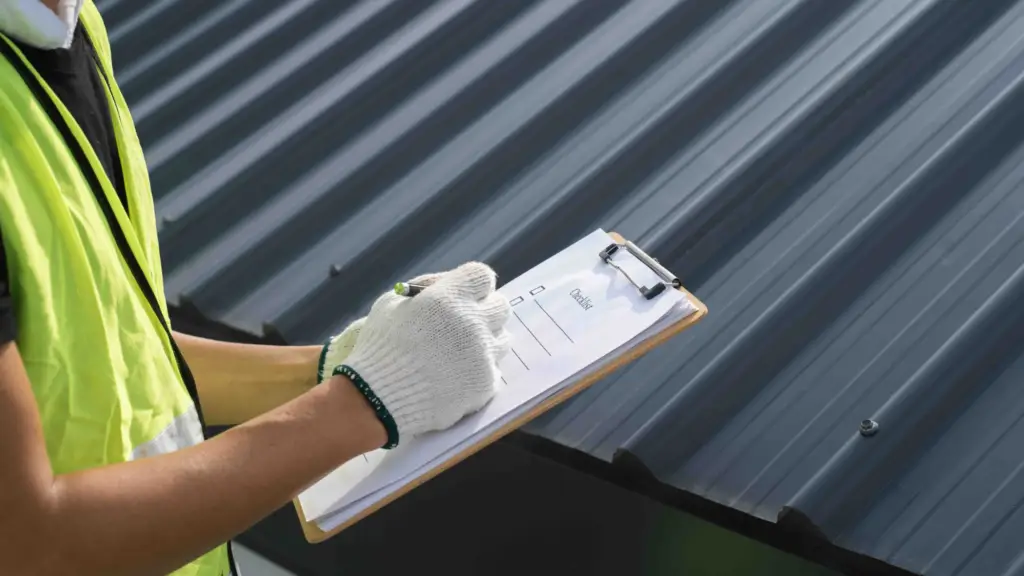
A metal roof inspection is a professional check of your roof’s condition, performance, and overall soundness.
During an inspection, a roofer may check the panels and key parts such as:
- Fasteners
- Seams
- Flashing
- Roof penetrations
- Sealants
- Underlayment
- Roof edges
- Ridge caps
- Valleys
- Gutters and drainage areas
- Ventilation components
- Signs of corrosion
- Evidence of water intrusion
A professional inspection looks for more than obvious damage. It can also find early warning signs that are hard to see from the ground.
An inspection isn’t just about whether your roof leaks today. It also finds problems that could lead to leaks, wear, moisture, or structural damage later.
Why Regular Metal Roof Inspections Matter
Metal roofing is highly durable, but that does not mean it is completely maintenance-free.
Your roof faces the weather every day. Over time, fasteners loosen, coatings wear down, sealants fail, and flashing gets damaged.
Regular inspections let you catch these problems before they get harder or more expensive to fix.
Catching problems early makes a big difference. A small roof problem is usually much cheaper to fix than major water damage from a problem left alone.
For example, a failing seal around a vent may let in just a little moisture at first. Over time, that moisture can damage insulation, decking, ceilings, walls, or the structure.
When Should You Schedule a Metal Roof Inspection?
There are several times when you should schedule a professional metal roof inspection.
These include:
- After a severe storm
- When purchasing a home
- Before selling a home
- When the roof is getting older
- After noticing signs of water intrusion
- Following roofing repairs
- Before major home renovations
- When drainage problems occur
- When corrosion becomes visible
- When the roof has not been professionally inspected for several years
Even with no obvious signs of trouble, regular inspections give you peace of mind and help you stay ahead of problems.
Schedule an Inspection After Severe Weather
Severe weather can develop quickly in Louisiana, making post-storm roof inspections especially important.
High winds, heavy rain, hail, and flying debris can all cause damage to a metal roofing system.
Some damage is easy to spot. Other problems stay hidden until a professional takes a close look.
After a significant storm, a professional metal roof inspection may identify:
- Bent or damaged roofing panels
- Loose fasteners
- Damaged flashing
- Shifted or damaged ridge caps
- Failed sealants
- Damaged vents
- Impact from debris
- Scratched protective coatings
- Signs of water intrusion
- Damaged gutters
Getting your roof inspected after severe weather lets you fix problems before the next storm makes them worse.
Inspect Your Metal Roof Before Buying a Home
If you’re buying a home with a metal roof, a professional inspection gives you important information about the property.
A roof can look fine from the ground and still have problems that are hard to spot without a closer look.
A professional metal roof inspection can help a prospective homeowner understand:
- The current condition of the roof
- Potential maintenance requirements
- Existing visible damage
- Evidence of previous repairs
- Possible moisture concerns
- The condition of flashing
- Fastener issues
- Signs of corrosion
- Expected maintenance needs
Knowing the roof’s condition also helps buyers judge the long-term costs of owning the home.
Schedule an Inspection Before Selling Your Home
If you’re getting ready to sell, consider scheduling a metal roof inspection too.
Buyers may have the roof checked during their review. Finding roof problems late in the sale can cause delays, negotiations, or extra costs.
An inspection before listing gives the homeowner a better understanding of the roof’s current condition.
Fixing small problems before you list may make your home more appealing to buyers.
An inspection also gives you records showing the roof’s condition at that time.
The Age of Your Metal Roof Matters
Metal roofs are capable of lasting for many years, but their condition should still be monitored as they age.
Over time, fasteners, sealants, flashing, coatings, and roof openings may need more maintenance.
There is no specific age at which every metal roof automatically needs to be replaced.
Instead, homeowners should focus on the actual condition and performance of their roofing system.
An inspection can show whether an older roof needs routine upkeep, specific repairs, or bigger work.
Inspect Your Roof When You Notice Water Stains
Water stains on ceilings or walls should always be taken seriously.
Stains can come from plumbing or AC problems, but they may also mean water is getting in through the roof.
If you suspect a leak, a professional inspection can help find where the water is coming from.
Roof leaks don’t always show up right above the stain. Water can travel along decking, framing, and insulation before it appears inside.
For this reason, professional evaluation can be especially valuable when investigating suspected roof leaks.
Inspect When You Notice Rust or Corrosion
Metal roofs are built to resist corrosion, but exposed parts and damaged coatings can wear down over time.
Rust may show up around fasteners, seams, edges, damaged spots, or anywhere the protective finish is worn.
Seeing corrosion does not automatically mean the entire roof needs replacement.
An inspection can show how far the corrosion has spread and whether spot repairs or maintenance can fix it.
Addressing corrosion early may help prevent the affected area from deteriorating further.
Check Fasteners During a Professional Inspection
Fasteners are key parts of many metal roofs because they hold the panels to the structure below.
Over time, fasteners can loosen, become damaged, corrode, or experience weather-related deterioration.
An inspection can find fastener problems you can’t see from the ground.
An inspector may check for:
- Loose screws
- Missing fasteners
- Damaged washers
- Incorrectly installed fasteners
- Corrosion
- Fasteners that have backed out
- Failed seals around fasteners
Damaged or poorly sealed fasteners can let water in, so they deserve a careful look.
Examine Flashing During a Metal Roof Inspection
Flashing plays an important role in directing water away from vulnerable areas of a roofing system.
It may be installed around:
- Chimneys
- Walls
- Valleys
- Roof edges
- Vents
- Skylights
- Other roof penetrations
Damaged, deteriorated, or improperly installed flashing can increase the risk of leaks.
During an inspection, a roofer can check these areas for gaps, movement, wear, and other problems.
Roof Penetrations Need Regular Attention
Every opening through a roof creates an area that needs proper weatherproofing.
Plumbing vents, AC equipment, skylights, chimneys, and vents may all need special flashing and sealing.
Over time, sealants can shrink, crack, or lose their ability to provide an effective moisture barrier.
A metal roof inspection can help identify aging seals and other vulnerable areas around roof penetrations.
Inspect Metal Roof Seams
Depending on your roof’s design, seams can be a big part of its weather resistance.
For example, standing seam roofs rely on locked seams to create a durable surface.
These connections should remain properly aligned and secure.
During an inspection, seams can be checked for movement, separation, damage, or installation problems.
Look for Damage to Protective Coatings
Many metal roofs have protective coatings that shield the metal from weather and corrosion.
Scratches, scuffs, and impact damage can break through these coatings and expose the metal underneath.
Not every scratch represents a serious roofing problem, but damaged coatings should still be evaluated.
An inspection can find spots where coating damage needs maintenance or repair.
Why Baton Rouge Weather Makes Inspections Important
Baton Rouge experiences weather conditions that can be demanding on residential roofing systems.
Long stretches of heat and humidity combine with heavy rain, strong winds, and occasional severe storms.
Over time, sun, moisture, wind, and temperature swings wear on roofing materials and accessories.
Regular maintenance is therefore particularly important for homeowners in the area.
An inspection helps you understand how your roof is holding up to local weather and whether any parts need attention.
Inspect Before and After Major Home Renovations
Major remodeling projects can sometimes affect a home’s roofing system.
Renovations involving AC equipment, solar panels, additions, skylights, or structural changes may cut into the roof or add weight.
Before a big renovation, it helps to know your roof’s current condition.
An inspection can find existing problems and help decide whether roof repairs should happen before or during the renovation.
Metal Roof Inspection and Home Insurance
The condition of your roof can also become relevant when dealing with a homeowners insurance claim.
After major storm damage, you may need to document your property’s condition and work with your insurance company.
A professional inspection can help identify visible damage caused by severe weather.
But coverage depends on your policy and situation. An inspection doesn’t guarantee a claim will be approved.
If you think a storm damaged your roof, document what you can safely see and contact your insurer about the claim process.
What Happens During a Professional Metal Roof Inspection?
The inspection process varies by roof type, property, and condition. A thorough check usually starts with an overall look at the roof.
The roofer may look from the ground first before getting onto the roof.
During a metal roof inspection, the professional may evaluate the following:
Roofing Panels
Panels may be checked for dents, deformation, scratches, corrosion, movement, and other visible issues.
Fasteners
Fasteners can be examined for looseness, missing components, deterioration, corrosion, and sealing problems.
Flashing
Flashing around weak spots can be checked for damage, movement, or wear.
Seams
Seams may be evaluated for alignment, separation, movement, or other potential concerns.
Roof Penetrations
Vents, pipes, skylights, chimneys, and other openings can be checked to make sure they’re still sealed.
Drainage
Gutters, valleys, and other drainage areas can be checked for clogs, damage, or water problems.
Interior Areas
When needed, the attic and interior may also be checked for moisture, leaks, or structural problems.
A Metal Roof Inspection Is Different From a Quick Visual Check
You can look for basic problems from the ground, but that doesn’t replace a professional inspection.
Certain problems can be difficult to identify without closer examination, including:
- Loose fasteners
- Small seam issues
- Flashing deterioration
- Early corrosion
- Sealant failure
- Subtle panel damage
- Hidden moisture problems
A professional metal roof inspection provides a much more detailed evaluation of the roofing system.
Don’t climb onto your roof unless you have the right training, experience, and safety gear.
How Often Should You Schedule a Metal Roof Inspection?
There is no single inspection schedule that applies to every metal roof.
Most homeowners benefit from regular professional inspections, especially when the roof is older or often faces severe weather.
An annual or periodic inspection can help identify developing concerns before they become more serious.
Extra inspections may make sense after major storms, big repairs, or whenever you notice warning signs.
How often you need an inspection depends on your roof’s age, design, condition, environment, and maintenance history.
Signs You Should Not Wait for a Routine Inspection
Sometimes you should schedule an inspection right away instead of waiting for your next routine visit.
Warning signs can include:
- Water stains
- Dripping water
- Rust or corrosion
- Missing components
- Loose panels
- Damaged flashing
- Persistent attic moisture
- Mold or mildew
- Unusual roof movement
- Damaged gutters
- Visible storm damage
- Recurring leaks
Taking action promptly may help keep a smaller roofing problem from developing into a much larger one.
Metal Roof Inspection and Preventive Maintenance
One of the biggest advantages of professional inspections is prevention.
Don’t wait for your roof to fail. Regular inspections help you catch problems while they’re still manageable.
Preventive maintenance may be as simple as replacing damaged fasteners, improving seals, fixing flashing, or treating small rust spots.
These smaller maintenance tasks can help protect the overall roofing system.
An inspection gives you the facts you need to make maintenance decisions based on your roof’s real condition.
Protecting Your Attic From Moisture
Your roof protects more than the outside of your home. It also keeps moisture out of the attic and interior.
During an inspection, a roofer may look for signs of water getting into the attic or roof.
Moisture can affect:
- Insulation
- Roof decking
- Rafters
- Trusses
- Ceiling materials
- Electrical components
- Interior finishes
Finding moisture problems early is one of the best reasons to schedule an inspection.
Ventilation and Metal Roof Condition
Proper attic ventilation can influence the overall environment surrounding a roofing system.
In some attics, poor ventilation can cause too much heat and moisture.
During an inspection, vents can be checked, and the inspector may look for signs of moisture problems.
Ventilation should work together with insulation, air sealing, and proper roof construction.
Gutters and Drainage Should Be Included
Gutters aren’t part of the metal panels, but they play a big role in handling rainwater.
Clogged, damaged, or sagging gutters can cause water to overflow around the roof edge.
A full inspection may find drainage problems that could affect your roof and the areas around it.
Keeping rainwater flowing away from your home protects your roof, siding, foundation, and structure.
What If the Inspection Finds Problems?
Finding a roofing problem does not automatically mean that the entire roof needs to be replaced.
The appropriate solution depends on the type, severity, location, and extent of the problem.
Potential recommendations may include:
- Routine maintenance
- Localized repairs
- Fastener replacement
- Flashing repair
- Sealant replacement
- Corrosion treatment
- Panel replacement
- Drainage improvements
- Additional evaluation
- Roof replacement
The goal of an inspection is to give you clear information so you can decide on next steps.
Repair or Replace? An Inspection Can Help
One of the biggest questions after finding roof problems is whether to repair or replace.
A professional inspection can help provide clarity.
If the problems are limited and most of the roof is in good shape, targeted repairs may make sense.
But widespread wear, heavy corrosion, repeat leaks, or major structural problems may mean replacement is the better long-term choice.
Every roofing system is different and should be evaluated individually.
The Value of Early Detection
Roofing problems generally do not become less expensive simply because they are ignored.
A loose fastener can let moisture in. Damaged flashing can let water into the roof. A small rust spot can keep spreading if it isn’t fixed.
A routine metal roof inspection can help homeowners identify these concerns earlier.
Early detection may allow repairs to remain smaller, more manageable, and potentially less disruptive.
Preparing Your Home for a Metal Roof Inspection
You can make the inspection go faster by providing access and sharing any problems you know about.
Before the inspection, consider:
- Clearing access to the attic
- Making note of known leaks
- Identifying locations where water stains have appeared
- Providing information about previous roofing repairs
- Sharing details about recent severe weather
- Keeping gutters accessible
- Mentioning unusual odors or signs of moisture
That helps the roofer understand your home’s history and focus on problem areas.
Why Professional Experience Matters
Metal roofing uses special materials, fastening systems, seams, flashing details, coatings, and installation methods.
Different metal roofing systems can have different requirements and characteristics.
A professional metal roof inspection should take the specific type of roofing system into account.
An experienced roofer can tell normal wear from problems that need maintenance, repair, or a closer look.
Why Choose Stalwart Roofing in Baton Rouge?
At Stalwart Roofing, we understand how hard Baton Rouge and Louisiana weather can be on home roofs.
Our goal is to help you understand your roof’s condition and make practical decisions about maintenance and repairs.
If your metal roof was recently hit by severe weather, has been in place for years, or just hasn’t been checked lately, an inspection can tell you a lot.
We look beyond the panels and check every part that helps your roof protect your home.
We focus on catching problems early and helping you protect your roof.
Protecting Your Home With Regular Inspections
Your roof is one of the most important protective systems on your property.
It defends your home against rain, sun, wind, and more. Because it faces the weather all year, regular professional checks are a key part of home maintenance.
A metal roof inspection lets you understand your roof’s condition before a small problem becomes a big, expensive one.
In Baton Rouge, inspections are especially useful after severe weather or when you notice moisture, rust, or damage.
Final Thoughts
So, when should you schedule a professional metal roof inspection?
It depends on your home and roof, but some times are especially worth it. Schedule one after severe weather, before buying or selling, as your roof ages, after major repairs, before big renovations, or whenever you notice leaks, rust, damaged panels, or water stains.
Regular inspections can also play an important role in preventive maintenance.
A metal roof can protect your home reliably for a long time, but it depends on more than the panels. Fasteners, seams, flashing, coatings, ventilation, drainage, and roof openings all play a part.
A professional inspection can catch problems early and show you what maintenance or repairs you may need.
Related reading: