By Stalwart Roofing – Baton Rouge’s Trusted Commercial and Industrial Roofing Experts
In Louisiana’s demanding climate, durability and weather resistance are non-negotiable for industrial and commercial roofs. High humidity, intense heat, and seasonal storms put building envelopes to the test every year. For property owners who need long-term protection and minimal maintenance, built up roofing Louisiana industrial systems continue to be one of the most reliable solutions available.
At Stalwart Roofing, we’ve spent years installing, maintaining, and repairing BUR systems across Baton Rouge and surrounding Gulf Coast communities. Whether it’s a warehouse, manufacturing facility, or retail complex, a properly designed built-up roof delivers proven performance — even under the toughest conditions. This article explores how built-up roofing works, why it’s ideal for Louisiana’s climate, and how to properly maintain it for decades of dependable service.
What Is a Built-Up Roofing (BUR) System?
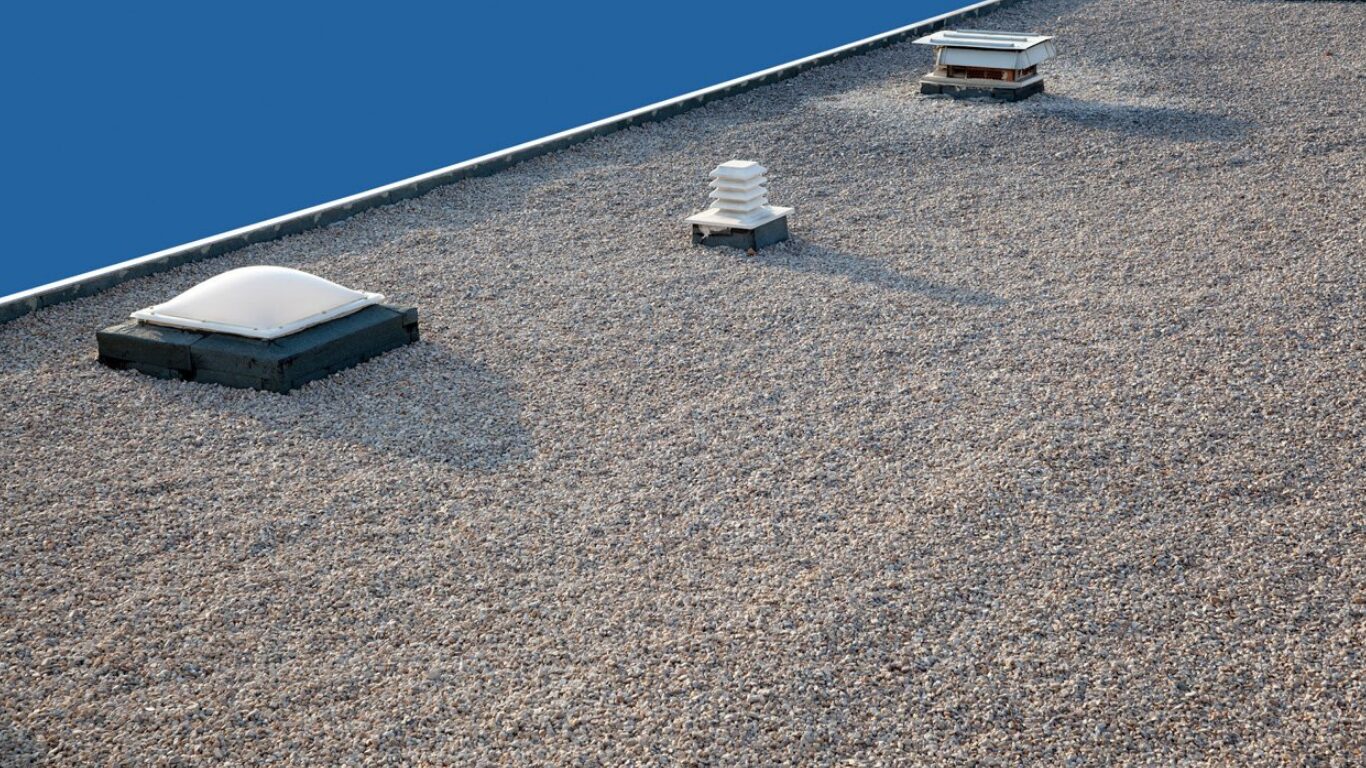
Built-up roofing, often called BUR, is one of the oldest and most trusted flat-roof repair systems in the world. It’s composed of multiple layers (or “plies”) of bitumen — either asphalt or coal tar — alternated with reinforcing fabrics like fiberglass or polyester. These layers are topped with protective surfacing such as gravel, mineral cap sheets, or reflective coatings. This multi-layer design provides redundancy, meaning even if one layer is compromised, others continue to protect the building. That’s why built up roofing Louisiana industrial facilities rely on has such a strong reputation for longevity and resilience.
A well-installed BUR system can last 20–30 years or more with proper maintenance, offering excellent waterproofing, UV resistance, and energy efficiency — all crucial factors for Louisiana’s humid, high-heat environment.
Why BUR Systems Are Ideal for Louisiana’s Industrial Buildings
Industrial facilities across Louisiana face unique challenges. Between heavy rainfall, hurricane-force winds, and prolonged humidity, roofs must withstand significant environmental stress. BUR’s layered construction makes it one of the most weather-resistant roofing systems available. Stalwart Roofing recommends built up roofing Louisiana industrial projects for several reasons: Superior Waterproofing – The multiple bitumen layers create an impermeable barrier that prevents leaks. Excellent Wind Resistance – BUR systems are heavy and securely adhered, reducing uplift during storms.
Thermal Protection – The insulation and surface materials help regulate indoor temperatures and reduce energy costs. Proven Longevity – When maintained, BUR roofs can outlast many modern single-ply systems. Compatibility with Coatings and Reflective Surfaces – White coatings can improve solar reflectance and extend lifespan. In Louisiana’s unpredictable weather, this level of reliability makes BUR one of the best investments for long-term property protection.
The Composition of a BUR System
Understanding the components of a built-up roof helps explain why it’s so effective for built up roofing Louisiana industrial environments.
Base Sheet: The foundation layer that adheres to the roof deck, ensuring stability.
Bitumen Layers: Multiple layers of asphalt or coal tar act as the waterproof core of the system.
Reinforcing Fabrics: Fiberglass or polyester mats provide strength and flexibility between bitumen layers.
Surfacing: The top layer, usually gravel, mineral caps, or reflective coatings, shields the roof from UV rays, weather, and mechanical wear. Each layer works together to create a durable, seamless barrier against water and environmental stress.
Advantages of Built-Up Roofing Systems
At Stalwart Roofing, we often recommend BUR systems for industrial clients because of their unmatched performance under Louisiana’s conditions. Here’s why so many property owners trust them:
Proven Track Record – BUR has been in use for over a century — it’s time-tested and field-proven. Its reliability in humid and storm-prone regions makes it ideal for the Gulf Coast.
Low Maintenance Requirements – Compared to other systems, BUR needs minimal upkeep. Regular inspections and minor repairs are usually enough to extend its lifespan significantly.
Excellent Waterproofing – The continuous layers of bitumen make it virtually impenetrable to water — a major advantage during Louisiana’s heavy rain seasons.
Fire and UV Resistance – Gravel and mineral-coated surfaces protect against UV degradation and fire, both key benefits for built up roofing Louisiana industrial projects.
Cost-Effective Longevity – While the initial installation can be more expensive than some alternatives, the long-term savings from durability and reduced repairs make BUR highly cost-effective.
Common Challenges in Louisiana’s Climate
While built-up roofing performs exceptionally well in Louisiana, it’s still subject to certain environmental pressures. Stalwart Roofing’s inspection teams often encounter these issues in built up roofing Louisiana industrial systems:
UV Damage – Prolonged exposure to sunlight can dry out bitumen if not properly surfaced.
Ponding Water – Low spots can trap water, especially on aging roofs without proper drainage.
Thermal Expansion – Extreme heat and humidity can cause movement in the roofing membrane.
Debris Buildup – Tree leaves and dust can block drains or cause surface abrasion.
Foot Traffic Damage – Heavy maintenance activity on industrial roofs can wear down protective coatings. Preventing these problems is simple with routine care and timely intervention.
Maintenance Tips for Built-Up Roof Systems
Regular maintenance is the key to maximizing your investment. Proper built up roofing Louisiana industrial maintenance includes:
Schedule Routine Inspections – At least twice a year — typically spring and fall — have your roof inspected by professionals. Stalwart Roofing’s inspections identify cracks, blisters, loose gravel, or drainage issues before they become expensive repairs.
Keep Drains and Gutters Clear – Because flat roofs are prone to ponding, debris removal is essential. Clear drains prevent water buildup that can damage the membrane.
Repair Blisters and Cracks Immediately – Bitumen layers can blister or crack due to trapped moisture or heat. Addressing these early prevents deeper structural damage.
Maintain Reflective Coatings – White or aluminum coatings protect against UV rays and reduce surface temperatures. Reapply coatings every few years to keep them effective.
Limit Roof Traffic – Minimize foot traffic and use designated walk pads to avoid compressing or cracking the roof surface.
These proactive steps ensure that your built up roofing Louisiana industrial system remains strong, watertight, and energy-efficient for years.
Signs Your BUR Roof May Need Repair
Even with regular upkeep, all roofs eventually show signs of wear. Look out for blistering or bubbling on the surface, exposed felt or fabric layers, persistent ponding or drainage issues, cracks along seams or edges, and discoloration or soft spots. If you notice these warning signs, call Stalwart Roofing for a professional inspection. Timely repairs can extend the life of your BUR system and prevent costly replacements.
BUR vs. Other Roofing Systems
Louisiana property owners often compare BUR to newer options like TPO, EPDM, and modified bitumen. While each system has benefits, BUR remains a strong contender for built up roofing Louisiana industrial facilities due to its robustness and multilayer protection.
BUR vs. TPO: BUR offers better puncture resistance and proven waterproofing, while TPO excels in energy efficiency.
BUR vs. EPDM: EPDM is lighter and easier to install but more prone to punctures.
BUR vs. Modified Bitumen: Both share asphalt-based compositions, but BUR’s multi-ply construction provides greater redundancy.
For industrial and commercial properties facing high traffic or harsh conditions, BUR continues to outperform many alternatives in long-term durability.
The Role of Proper Installation
No matter how strong the materials, the performance of a BUR system depends on expert installation. Stalwart Roofing employs certified professionals who understand Louisiana’s unique climate, wind uplift requirements, and drainage challenges. We use proven techniques and premium-grade materials to ensure that every built up roofing Louisiana industrial system we install delivers exceptional waterproofing, energy efficiency, and longevity. Every project includes substrate preparation and moisture testing, precision layering of bitumen and reinforcements, seam sealing and surfacing, and final inspection and warranty documentation. A properly installed BUR roof is one of the most dependable assets a property owner can have.
Sustainability and Energy Efficiency
Today’s BUR systems can be highly sustainable when designed with modern materials. Reflective coatings reduce heat absorption and lower cooling costs — a major benefit for Louisiana’s long, hot summers. Gravel surfacing also provides natural UV protection, extending membrane life. Stalwart Roofing often recommends incorporating insulation layers and reflective top coats as part of a built up roofing Louisiana industrial energy-saving strategy.
These upgrades not only improve comfort inside your facility but also reduce your building’s carbon footprint.
The Cost of Ignoring Maintenance
Neglecting maintenance is one of the most common and costly mistakes property owners make. What begins as a small crack or blister can quickly evolve into widespread leaks and structural rot. Left unchecked, these issues can compromise insulation, decking, and interior finishes — leading to expensive restoration work.
Proactive built up roofing Louisiana industrial maintenance helps avoid major expenses and extends roof life well beyond its standard service expectancy. Regular checkups cost a fraction of full replacement — making it one of the smartest investments for long-term protection.
Working with Insurance After Storm Damage
Louisiana’s Gulf Coast region is no stranger to wind and hail damage. Fortunately, Stalwart Roofing assists clients through the entire insurance claims process. We document visible and hidden damage, provide detailed inspection reports, and communicate directly with adjusters to ensure fair settlements. This hands-on support helps property owners recover faster and maintain compliance with warranty and insurance requirements. When it comes to storm recovery, we make built up roofing Louisiana industrial service simple and stress-free.
Why Choose Stalwart Roofing
As a locally owned and operated company in Baton Rouge, Stalwart Roofing takes pride in delivering workmanship that withstands Louisiana’s harshest conditions. Our technicians specialize in both commercial and residential systems, including BUR, TPO, metal, and modified bitumen.
When you choose us for built up roofing Louisiana industrial installation or repair, you benefit from decades of combined roofing expertise, licensed and insured crews, detailed inspections, high-quality materials, and long-term maintenance partnerships. We’re committed to providing reliable, long-lasting roofing solutions that protect your property, your investment, and your peace of mind.
Conclusion: Strength and Durability You Can Trust
Built-up roofing remains one of the most dependable and time-tested systems available for Louisiana’s industrial and commercial buildings. Its multi-layered design, exceptional waterproofing, and ability to handle extreme weather make it an ideal choice for Gulf Coast properties.
At Stalwart Roofing, we specialize in built up roofing Louisiana industrial systems engineered to perform in this region’s challenging climate. From expert installation and regular maintenance to emergency repairs and coatings, our goal is to help you achieve long-term protection with minimal hassle.