A roof is one of the most important protective systems in any home. It shields the structure from rain, wind, sunlight, humidity, and changing temperatures while helping protect everything inside the house. When a roof is properly installed, it can provide decades of dependable service. When installation is rushed or performed incorrectly, however, small problems can develop into leaks, moisture damage, and structural concerns.
Metal roofing is known for its strength and durability, but even a high-quality metal roof depends on proper installation. Panels must be aligned correctly, fasteners must be installed according to specifications, flashing must be carefully fitted, and drainage and ventilation must be properly addressed. These details all play an important role in metal roof leak prevention.
For homeowners in Baton Rouge, Louisiana, professional installation is especially important because local roofs must withstand intense heat, high humidity, heavy rainfall, strong thunderstorms, and occasional severe weather. A properly installed metal roofing system can help manage these conditions and protect the home for many years.
Why Proper Metal Roof Installation Matters
Metal roofing is not simply a layer of panels placed over a house. It is a complete system made up of several components that must work together.
A typical metal roofing system can include:
- Metal panels
- Roof decking
- Underlayment
- Fasteners
- Clips
- Flashing
- Ridge caps
- Sealants
- Gutters and drainage components
- Ventilation components
If one component is improperly installed, it can affect the performance of the entire roof.
Proper installation is therefore essential for metal roof leak prevention. It helps create a continuous protective barrier that directs water away from vulnerable areas and prevents moisture from entering the home.
How Metal Roof Leaks Develop
Many homeowners assume that metal roofing cannot leak because the panels are durable and resistant to water. While metal panels themselves can provide excellent water resistance, leaks can still occur when other parts of the roofing system are installed incorrectly.
Potential causes include:
- Improper flashing
- Loose fasteners
- Damaged panels
- Incorrect panel overlaps
- Poorly sealed penetrations
- Blocked drainage
- Improper roof transitions
- Failed sealants
- Incorrect installation around chimneys or skylights
This is why metal roof leak prevention requires attention to the entire roofing system rather than focusing only on the metal panels.
Starting With a Thorough Roof Inspection
Before installing a new metal roof, professionals should evaluate the existing roof and underlying structure.
The inspection may identify:
- Damaged shingles
- Rotting decking
- Moisture damage
- Structural deterioration
- Poor ventilation
- Improper drainage
- Damaged flashing
- Previous repair work
Installing a new roof over unresolved problems can create complications later.
A thorough inspection is one of the first steps in effective metal roof leak prevention because it gives contractors an opportunity to address underlying problems before the new system is installed.
Checking the Roof Deck
The roof deck provides the foundation for the roofing system.
If the decking is soft, rotted, cracked, or damaged by moisture, the problem should be addressed before installing new metal roofing.
Damaged decking can cause:
- Weak attachment points
- Uneven roofing surfaces
- Moisture retention
- Structural concerns
- Premature roofing failure
Replacing deteriorated sections of decking can help provide a stronger foundation for the new roof.
Proper Roof Preparation
Preparation is an important part of professional metal roof installation.
Depending on the condition of the existing roof, preparation may involve:
- Removing unsuitable roofing materials
- Repairing damaged decking
- Installing appropriate underlayment
- Correcting drainage issues
- Improving ventilation
- Preparing flashing locations
- Checking roof edges
Proper preparation creates the conditions needed for effective metal roof leak prevention.
Installing the Correct Underlayment
Underlayment provides an additional protective layer beneath the metal roofing panels.
The exact product depends on the roofing system and manufacturer requirements, but properly installed underlayment can help protect the roof deck from moisture.
It may also provide additional protection during wind-driven rain or other severe weather.
Professional installation ensures that underlayment is properly positioned and integrated with flashing and other roofing components.
The Importance of Proper Flashing
Flashing is one of the most important components of a leak-resistant roof.
Flashing is installed around areas where roofing materials meet other surfaces or where water could potentially enter.
Common locations include:
- Chimneys
- Skylights
- Roof valleys
- Plumbing vents
- Dormers
- Roof-to-wall transitions
- Roof edges
Improper flashing is a common source of roofing leaks.
Carefully installed flashing is therefore one of the most important elements of metal roof leak prevention.
Protecting Roof Penetrations
Every opening through a roof creates a potential path for water.
Roof penetrations may include:
- Plumbing vents
- Exhaust vents
- HVAC equipment
- Skylights
- Satellite equipment
- Other roof-mounted components
Professional roofing contractors use appropriate flashing and sealing methods around these penetrations.
Proper detailing helps keep water outside the roofing assembly.
Correct Panel Alignment
Metal panels must be properly aligned during installation.
Uneven or improperly positioned panels can create:
- Gaps
- Poor seams
- Drainage problems
- Appearance issues
- Increased stress on connections
During professional installation, panels are carefully positioned according to the roof design and manufacturer’s requirements.
Correct alignment supports both long-term performance and metal roof leak prevention.
Proper Panel Overlap
Some metal roofing systems rely on overlapping panels or seams to create a weather-resistant surface.
The overlap must be sufficient and correctly positioned.
Improper overlap can allow water to enter between panels, particularly during heavy rainfall or wind-driven rain.
Following manufacturer specifications is essential.
Fastener Placement Matters
Fasteners secure metal roofing to the structure.
Improperly installed fasteners can become potential sources of leaks.
Problems may occur when fasteners are:
- Over-tightened
- Under-tightened
- Installed at the wrong location
- Installed at incorrect spacing
- Damaged during installation
Professional installers follow the appropriate fastening pattern for the selected roofing system.
Correct fastener installation is an important part of metal roof leak prevention.
Avoiding Over-Tightened Fasteners
Over-tightening can damage washers or distort the metal panel.
Damaged washers may eventually allow moisture to reach the underlying roofing materials.
Proper installation requires the correct amount of pressure so that fasteners secure the panel without damaging the components.
Avoiding Under-Tightened Fasteners
Under-tightened fasteners may fail to properly secure the roofing panel.
This can create movement and potential openings during severe weather.
Professional installers understand how to achieve the appropriate connection without compromising the roofing material.
Standing Seam Metal Roofing
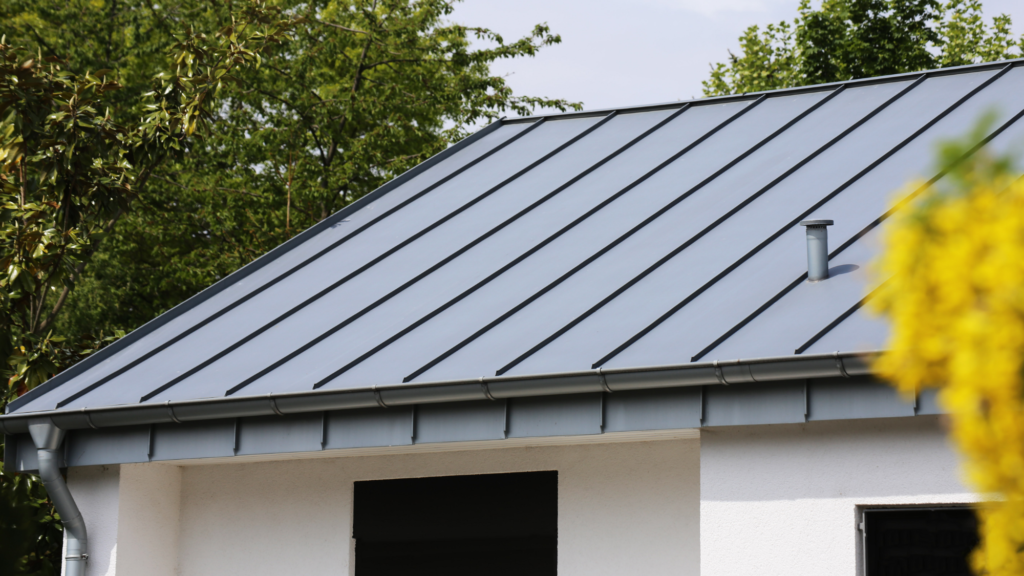
Standing seam metal roofing is a popular choice for homeowners who want a durable and modern roofing system.
The raised seams connect adjacent panels, and many systems use concealed fasteners.
Potential advantages include:
- Clean appearance
- Strong water-shedding characteristics
- Reduced exposed fasteners
- Long service life
- Low maintenance
However, proper installation remains essential.
Even a premium standing seam system can develop problems if seams, clips, flashing, or roof penetrations are improperly installed.
Managing Thermal Expansion
Metal naturally expands when heated and contracts when it cools.
This is especially important in Baton Rouge, where roofing surfaces can become extremely hot during summer.
If metal panels are installed without accounting for thermal movement, the system may experience:
- Buckling
- Distortion
- Stress
- Fastener problems
- Seam issues
Proper installation accounts for thermal movement through appropriate clips, fasteners, panel lengths, and other installation methods.
This helps support long-term metal roof leak prevention.
Louisiana Heat and Metal Roofing
Louisiana’s intense summer heat can put significant stress on roofing systems.
Metal roofing can handle high temperatures effectively, but installation must account for the effects of thermal expansion.
Professionals can also evaluate the home’s insulation and attic ventilation to help manage heat transfer.
A complete roofing system should be designed to work with the home’s existing structure rather than treating the metal panels as an isolated component.
Humidity and Moisture Management
High humidity is another important consideration for Baton Rouge homeowners.
Moisture can contribute to:
- Condensation
- Mold
- Wood deterioration
- Corrosion
- Insulation problems
Proper ventilation and moisture management can help reduce these risks.
Addressing humidity-related concerns is an important part of metal roof leak prevention and long-term structural protection.
Proper Attic Ventilation
A roofing system needs adequate ventilation to help manage heat and moisture in the attic.
A balanced ventilation system may include:
- Intake vents
- Ridge vents
- Soffit vents
- Other appropriate ventilation components
Proper ventilation can help reduce condensation and excessive attic heat.
It can also help protect the roof deck and insulation.
Why Condensation Can Be a Problem
Condensation occurs when warm, moist air contacts a cooler surface.
In a poorly ventilated attic, condensation can accumulate and contribute to moisture damage.
Potential problems include:
- Wet insulation
- Wood deterioration
- Mold growth
- Reduced insulation performance
- Structural damage
A properly designed roofing assembly helps manage moisture before it becomes a larger concern.
Proper Roof Drainage
Water must have a clear path away from the roof.
Professional installation considers:
- Roof slope
- Valleys
- Gutters
- Downspouts
- Flashing
- Roof edges
Poor drainage can result in standing water and increased stress on roofing components.
Effective drainage supports metal roof leak prevention by moving rainwater away from vulnerable areas.
Protecting Roof Valleys
Roof valleys are areas where two roof slopes meet.
They can receive significant amounts of water during heavy rainfall.
Professional installation requires careful attention to valley construction, flashing, and panel placement.
Improperly installed valleys can become recurring sources of water intrusion.
Roof Edge Protection
The edges of a roof are exposed to weather and wind.
Proper edge detailing helps:
- Secure the roofing system
- Direct water appropriately
- Reduce wind-related movement
- Protect underlying materials
Professional installation of roof edges is particularly important in areas that experience strong storms.
Wind-Driven Rain
Louisiana storms can produce rain that moves horizontally rather than simply falling vertically.
Wind-driven rain can test the weakest points of a roofing system.
Proper installation of:
- Flashing
- Seams
- Fasteners
- Roof edges
- Penetrations
can help reduce the risk of water entering during severe weather.
This makes professional workmanship especially valuable for metal roof leak prevention in Baton Rouge.
Structural Problems Caused by Roof Leaks
A small roof leak may seem like a minor inconvenience, but prolonged moisture exposure can cause significant damage.
Water can affect:
- Roof decking
- Rafters
- Trusses
- Wall framing
- Insulation
- Ceilings
- Drywall
Over time, untreated moisture can weaken structural materials.
Preventing leaks therefore helps protect more than the roof itself.
How Water Damages Roof Decking
Repeated exposure to moisture can cause wood decking to weaken and deteriorate.
Signs may include:
- Soft areas
- Discoloration
- Sagging
- Rot
- Mold
Once water reaches the roof deck, repairs may become more extensive.
Proper installation helps keep water out of the roofing assembly in the first place.
Protecting Attic Insulation
Roof leaks can also affect insulation.
Wet insulation may lose some of its effectiveness and can create conditions favorable to mold growth.
Keeping the roofing system properly sealed helps protect the insulation and maintain the home’s energy performance.
Protecting Interior Ceilings and Walls
Water entering through a roof can eventually reach ceilings and walls.
Homeowners may notice:
- Water stains
- Peeling paint
- Bubbling drywall
- Damp odors
- Discoloration
These signs should never be ignored.
They can indicate that water is entering somewhere above the affected area.
Preventing Mold and Moisture Problems
Louisiana’s humid climate can make moisture problems particularly concerning.
If a leak is allowed to continue, the combination of water and humidity can create favorable conditions for mold and mildew.
Prompt repairs and professional inspections can help reduce these risks.
Why Professional Installation Is Worth It
Some homeowners may consider installing metal roofing themselves to reduce labor costs.
However, roofing installation requires specialized knowledge, tools, safety equipment, and experience.
Professional installers understand:
- Roofing layout
- Panel connections
- Flashing
- Fasteners
- Thermal movement
- Ventilation
- Drainage
- Manufacturer specifications
Choosing experienced professionals can help reduce the risk of expensive installation mistakes.
Manufacturer Installation Requirements
Every metal roofing system may have specific installation requirements.
These can include:
- Fastener spacing
- Panel overlap
- Clip placement
- Flashing details
- Underlayment
- Sealants
- Ventilation
- Approved accessories
Following these requirements helps ensure the roofing system performs as intended.
Building Code Considerations
Roofing work may also need to comply with applicable local building requirements.
Professional roofing contractors understand the importance of following relevant regulations and installation standards.
This can help homeowners avoid problems related to permits, inspections, and compliance.
The Importance of Quality Materials
Proper installation is essential, but quality materials are also important.
A complete metal roofing system may include:
- Durable metal panels
- Appropriate underlayment
- Compatible fasteners
- Quality flashing
- Proper sealants
- Ventilation components
Using compatible materials helps create a cohesive roofing system.
Regular Maintenance After Installation
Professional installation can reduce the risk of problems, but homeowners still need to maintain their roofs.
Routine maintenance can include:
- Cleaning gutters
- Removing debris
- Checking drainage
- Inspecting flashing
- Looking for damaged panels
- Checking roof penetrations
- Trimming nearby branches
Regular inspections can identify small problems before they develop into major leaks.
Inspecting the Roof After Storms
Baton Rouge homeowners should consider professional roof inspections after significant storms.
A storm may cause damage that is not immediately visible from the ground.
Potential concerns include:
- Loose panels
- Damaged flashing
- Dented metal
- Loose fasteners
- Fallen branches
- Damaged gutters
Early inspection can help prevent minor damage from becoming a major roofing problem.
Warning Signs of a Possible Metal Roof Leak
Homeowners should watch for signs that moisture may be entering the home.
These may include:
- Ceiling stains
- Damp attic insulation
- Musty odors
- Peeling paint
- Bubbling drywall
- Visible roof damage
- Water around roof penetrations
If these signs appear, homeowners should have the roof professionally evaluated.
Do Not Ignore Small Leaks
A small leak can become a major problem if it continues unnoticed.
Even a small amount of water entering the roofing system can eventually affect wood, insulation, drywall, and other materials.
Prompt repairs are an important part of metal roof leak prevention.
Long-Term Benefits of Proper Installation
Proper installation can provide benefits throughout the roof’s service life.
These may include:
- Reduced leak risk
- Better weather resistance
- Improved durability
- Lower maintenance requirements
- Better energy performance
- Reduced risk of structural damage
The installation process is therefore an important part of the overall roofing investment.
Why Baton Rouge Homeowners Should Work With Local Professionals
Local roofing professionals understand the environmental conditions that affect Baton Rouge homes.
Louisiana roofing systems must be prepared for:
- Intense heat
- High humidity
- Heavy rainfall
- Strong thunderstorms
- Wind
- UV exposure
Local experience can help contractors identify installation considerations that are especially relevant to the region.
Why Choose Stalwart Roofing?
Stalwart Roofing in Baton Rouge, Louisiana, understands the importance of quality workmanship and long-term roofing performance.
Our team works with homeowners to evaluate their roofing needs and provide appropriate solutions for their homes.
Our roofing services include:
- Metal roof installation
- Standing seam metal roofing
- Roof replacement
- Roof repair
- Storm damage inspections
- Preventative maintenance
- Roofing evaluations
We believe that every successful roofing project begins with careful preparation and professional installation.
Whether you are replacing an aging roof or considering metal roofing for a new project, our team can help you understand the available options.
Final Thoughts
Proper metal roof installation is one of the most important factors in preventing leaks and protecting the structure of a home.
A durable metal panel alone cannot guarantee a leak-free roof. The entire roofing system must be properly designed, prepared, installed, and maintained.
From roof deck inspections and underlayment to flashing, fasteners, panel alignment, ventilation, and drainage, every detail contributes to long-term performance.
For Baton Rouge homeowners, these details are especially important because Louisiana’s heat, humidity, rainfall, and severe storms can place significant stress on roofing systems.
Effective metal roof leak prevention starts before the first panel is installed. It involves evaluating the existing structure, selecting appropriate materials, following manufacturer requirements, accounting for thermal movement, and installing every component correctly.
Professional installation can also help protect against structural problems. By keeping water outside the roofing assembly, a properly installed system helps reduce the risk of damage to decking, framing, insulation, ceilings, and walls.
Whether you are considering a new metal roof, replacing an aging roofing system, or concerned about existing leaks, professional evaluation and installation can make a significant difference. With proper planning, quality materials, experienced workmanship, and regular maintenance, homeowners can take important steps toward effective metal roof leak prevention and long-term protection for their homes.