When homeowners choose a new roofing system, they often focus on material, color, durability, and cost. While these are important considerations, another factor can have a major influence on how a roof performs: its pitch.
Roof pitch refers to the angle or steepness of a roof. It affects how quickly rainwater moves across the roof, how roofing materials are installed, how drainage is managed, and how the roofing system responds to weather. For homeowners considering metal roofing, understanding metal roof pitch can help them make better decisions about installation, maintenance, and long-term performance.
This guide explains how metal roof pitch affects drainage, durability, installation, maintenance, and overall roofing performance.
What Is Roof Pitch?
Roof pitch describes how steep a roof is.
It is commonly expressed as a ratio that compares the amount of vertical rise to the amount of horizontal run. For example, a roof described as 4:12 rises four inches for every twelve inches of horizontal distance.
Common residential roof pitches can include:
- 2:12
- 3:12
- 4:12
- 5:12
- 6:12
- 8:12
- 10:12 or steeper
The appropriate pitch depends on the home’s architecture, roofing material, climate, drainage requirements, and design.
When evaluating metal roof pitch, homeowners should understand that there is no single pitch that is appropriate for every metal roofing system.
Why Metal Roof Pitch Matters
The slope of a roof influences how water behaves.
A steeper roof generally allows rainwater to move more quickly toward the roof edge. A lower-sloped roof may allow water to remain on the surface longer, making proper drainage and waterproofing especially important.
For metal roofing, pitch can affect:
- Water drainage
- Panel selection
- Installation requirements
- Flashing
- Seams
- Underlayment
- Maintenance
- Wind performance
- Snow or debris accumulation
- Overall longevity
Understanding metal roof pitch is therefore an important part of planning a new roofing project.
How Roof Pitch Affects Water Drainage
One of the most important functions of a roof is moving rainwater away from the home.
Baton Rouge receives substantial rainfall throughout the year, including intense storms that can produce large amounts of water in a short period.
Roof pitch helps determine how quickly water travels across the roofing surface.
A properly designed metal roof pitch can help water move efficiently toward gutters, valleys, and other drainage points.
Why Drainage Is Important in Baton Rouge
Louisiana’s climate makes effective drainage especially important.
Heavy rainfall can overwhelm poorly designed or blocked drainage systems.
If water cannot move efficiently, it may collect around:
- Roof valleys
- Flashing
- Low-slope sections
- Penetrations
- Gutters
- Roof edges
Standing or slow-moving water can increase the opportunity for moisture to enter vulnerable areas.
Low-Slope Metal Roofs
Some metal roofing systems can be installed on relatively low slopes, depending on the specific product and manufacturer’s requirements.
However, low-slope applications require careful planning.
A low metal roof pitch can result in slower water movement, so the roof must be designed to manage water effectively.
Important considerations may include:
- Proper panel selection
- Seaming
- Underlayment
- Flashing
- Drainage
- Fasteners
- Roof penetrations
Homeowners should never assume that every metal panel is suitable for a low-slope roof.
Minimum Pitch Requirements
Different metal roofing products have different minimum slope requirements.
For example, some systems may require a steeper slope than others. Standing seam systems may have different requirements from exposed-fastener panels or metal shingles.
The manufacturer’s specifications should always be followed.
Using a roofing system on a slope below its approved minimum can increase the risk of water intrusion and installation problems.
Steeper Metal Roofs
A steeper roof generally allows water to move more quickly.
Steeper roofs can also provide advantages such as:
- Faster water shedding
- Less opportunity for standing water
- Improved debris movement
- Distinctive architectural appearance
However, steep roofs can also make installation and maintenance more challenging.
Workers may require specialized safety equipment and procedures when working on steep roofing surfaces.
Metal Roof Pitch and Heavy Rain
Baton Rouge homeowners should consider heavy rainfall when planning a roofing system.
A properly designed metal roof pitch helps water travel from the roof surface toward the drainage system.
However, pitch alone does not determine whether a roof will handle heavy rain successfully.
The entire system matters, including:
- Gutters
- Downspouts
- Valleys
- Flashing
- Panel seams
- Roof edges
- Underlayment
Roof Valleys and Pitch
Roof valleys are areas where two roof sections meet.
They collect water from multiple roof surfaces, making them especially important for drainage.
A properly designed valley should direct water toward the appropriate drainage area without allowing it to collect or penetrate the roofing system.
When designing a metal roof pitch, professionals must consider how different roof slopes interact at valleys.
Complex Roof Designs
Modern homes often have multiple roof sections with different pitches.
A single home may have:
- Low-slope sections
- Steeper sections
- Dormers
- Gables
- Hips
- Valleys
These transitions must be carefully designed.
Poorly planned transitions can create areas where water moves unpredictably or collects.
Metal Roof Pitch and Flashing
Flashing protects areas where the roof meets another surface.
Examples include:
- Chimneys
- Walls
- Skylights
- Vents
- Dormers
- Valleys
The roof pitch affects how flashing should be installed.
Professional installers account for the slope and direction of water flow when designing flashing details.
Metal Roof Pitch and Roof Penetrations
Roof penetrations can create vulnerable points for water intrusion.
Plumbing vents, exhaust vents, skylights, and other components must be properly integrated with the roofing system.
The steeper or more complex the roof, the more important careful detailing becomes.
Metal Roof Pitch and Standing Seam Roofing
Standing seam metal roofing is a popular choice for Baton Rouge homeowners.
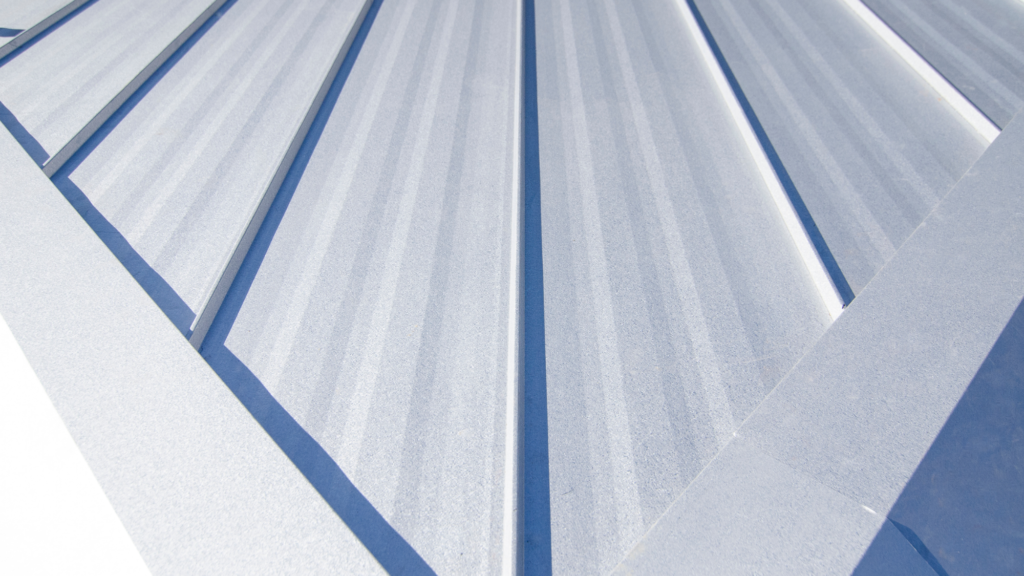
It features raised seams connecting metal panels, often with concealed fasteners.
The appropriate metal roof pitch for standing seam roofing depends on the specific product and installation requirements.
One advantage of standing seam systems is that they can be designed for a variety of residential roof configurations when properly installed.
Metal Roof Pitch and Exposed-Fastener Systems
Exposed-fastener metal roofing systems are another common option.
These systems use visible screws and washers to secure panels.
Because the fasteners are exposed to weather, proper installation and maintenance are important.
The roof pitch must also be appropriate for the specific product.
Why Installation Requirements Matter
Metal roofing manufacturers provide detailed specifications for their products.
These may include requirements for:
- Minimum roof slope
- Fastener placement
- Panel overlap
- Seaming
- Underlayment
- Flashing
- Ventilation
A professional roofing contractor should follow these requirements carefully.
Metal Roof Pitch and Water Intrusion
Roof leaks often occur around details rather than in the middle of a metal panel.
Potential trouble areas include:
- Seams
- Flashing
- Fasteners
- Valleys
- Penetrations
- Roof edges
The correct pitch helps water move away from these areas, but proper installation is still essential.
The Importance of Roof Deck Preparation
Before installing metal roofing, contractors should inspect the roof deck.
A damaged or deteriorated deck can compromise the roofing system regardless of pitch.
Potential problems include:
- Rot
- Soft spots
- Water damage
- Structural deterioration
Repairing these issues before installation provides a stronger foundation for the new roof.
Underlayment and Roof Pitch
Underlayment is an additional protective layer beneath metal panels.
Its role can become especially important on lower-sloped roofs where water may move more slowly.
The appropriate underlayment should be selected based on:
- Roofing system
- Roof pitch
- Climate
- Manufacturer requirements
- Local building requirements
Metal Roof Pitch and Humidity
Baton Rouge’s high humidity makes moisture management particularly important.
If moisture becomes trapped in the roofing assembly, it can contribute to:
- Condensation
- Mold
- Wood deterioration
- Insulation problems
Proper roof pitch, ventilation, and drainage work together to help manage moisture.
Roof Ventilation and Pitch
Roof pitch and attic ventilation are different components, but they can influence overall roofing performance.
Proper ventilation can help manage:
- Heat
- Moisture
- Condensation
A well-designed roofing system should consider both exterior drainage and interior attic conditions.
Metal Roof Pitch and Heat
Louisiana’s intense summer heat can cause metal roofing materials to expand and contract.
Thermal movement should be considered during installation.
Professionals may use appropriate clips, fasteners, and installation techniques to accommodate movement.
The roof pitch does not eliminate thermal movement, but proper design helps ensure the roofing system can accommodate it.
Metal Roof Pitch and Wind
Roof shape and slope can influence how wind interacts with a building.
Strong storms can create pressure along roof edges and corners.
Properly installed metal roofing should be secured according to engineering and manufacturer requirements.
Important components include:
- Fasteners
- Clips
- Roof edges
- Seams
- Flashing
A professional evaluation can help determine the appropriate roofing system for a home’s design.
Roof Pitch and Debris
Leaves, branches, and other debris can accumulate on roofs.
A steeper metal roof pitch may allow some debris to slide or wash away more easily.
However, trees near the home can still create maintenance concerns.
Homeowners should regularly remove debris from gutters and inspect the roof after storms.
Metal Roof Pitch and Gutter Performance
Roof pitch influences how quickly water reaches the gutters.
If water moves quickly from a steep roof, the gutter system must be properly sized and positioned to handle the flow.
If gutters are too small or poorly installed, heavy rainfall may overflow.
Effective roofing design therefore requires coordination between the roof and gutter system.
Downspouts Matter Too
Downspouts carry water from the gutters to the ground.
Even an appropriately designed metal roof pitch cannot compensate for inadequate downspouts.
Homeowners should make sure downspouts:
- Remain clear
- Discharge water away from the foundation
- Are properly connected
- Can handle expected water flow
Metal Roof Pitch and Roof Longevity
Proper drainage can contribute to the longevity of a roofing system.
When water moves efficiently and does not remain in vulnerable areas, the roof may experience less moisture-related stress.
However, longevity also depends on:
- Material quality
- Installation
- Maintenance
- Weather exposure
- Ventilation
- Flashing
- Fasteners
Choosing the Right Pitch for Your Home
Homeowners should not choose a roof pitch based solely on appearance.
The appropriate pitch should consider:
- Home architecture
- Existing structure
- Roofing material
- Drainage requirements
- Local weather
- Manufacturer specifications
- Budget
- Maintenance needs
A professional roofing contractor can evaluate these factors before recommending a solution.
Matching Metal Roofing to Existing Architecture
A home’s architectural style often influences the appropriate roof slope.
Traditional homes may have steeper roof profiles, while contemporary homes may feature lower slopes.
Metal roofing is available in numerous styles, making it possible to create a design that complements many types of homes.
Metal Roof Pitch and Curb Appeal
Roof pitch can have a significant visual impact.
A steep roof can create a dramatic appearance, while a lower slope may produce a sleek, modern profile.
Metal roofing can complement either approach when the appropriate product is selected.
Maintenance Considerations for Different Roof Pitches
Roof pitch can influence how easy a roof is to inspect and maintain.
Low-slope roofs may require careful attention to drainage and debris.
Steeper roofs may shed water and debris more efficiently but can be more difficult to access safely.
Homeowners should never walk on a roof without appropriate training and safety equipment.
Professional inspections are recommended.
Inspecting Your Roof After Severe Weather
Baton Rouge homeowners should pay attention to their roofs after major storms.
Look for signs such as:
- Loose panels
- Damaged flashing
- Dented metal
- Fallen branches
- Gutter damage
- Water stains
Some damage may not be visible from the ground.
A professional inspection can identify potential problems before they become more serious.
Signs of Drainage Problems
Homeowners should watch for:
- Standing water
- Overflowing gutters
- Water stains
- Damaged fascia
- Erosion near downspouts
- Persistent moisture
- Algae or organic growth
These signs may indicate that the roof or drainage system needs professional attention.
Can the Wrong Pitch Cause Leaks?
Yes, using a roofing system on an unsuitable slope can contribute to water-management problems.
If the roof pitch is below the manufacturer’s requirements, water may not drain properly.
This can increase stress on:
- Seams
- Fasteners
- Flashing
- Underlayment
- Penetrations
Proper product selection is therefore essential.
Why Professional Design Matters
Roofing professionals understand how pitch interacts with the rest of the roofing system.
They can evaluate:
- Existing roof structure
- Drainage
- Roof geometry
- Material requirements
- Flashing
- Ventilation
- Local weather
This helps ensure the roofing system is designed as a complete system rather than as individual components.
Common Mistakes Homeowners Should Avoid
Homeowners should avoid making roofing decisions based solely on the lowest installation price.
Common mistakes include:
- Choosing an unsuitable metal panel
- Ignoring minimum pitch requirements
- Overlooking drainage
- Skipping roof deck inspections
- Using incompatible flashing
- Hiring inexperienced installers
- Ignoring ventilation
- Delaying repairs
Avoiding these mistakes can help improve the long-term performance of the roof.
Why Professional Installation Matters
Professional metal roofing installation involves much more than attaching panels.
Installers must understand:
- Roof measurements
- Panel layout
- Pitch
- Flashing
- Fasteners
- Seams
- Thermal movement
- Drainage
- Ventilation
Proper workmanship helps ensure that the roof performs as designed.
The Role of Local Roofing Experience
Baton Rouge has environmental conditions that can affect roofing performance.
Local contractors understand the challenges created by:
- Heavy rainfall
- Humidity
- Heat
- Strong storms
- Wind-driven rain
- UV exposure
That local knowledge can be valuable when designing and installing a new metal roofing system.
Why Choose Stalwart Roofing?
Stalwart Roofing in Baton Rouge, Louisiana, helps homeowners make informed roofing decisions based on their home’s specific needs.
Our roofing services include:
- Metal roof installation
- Standing seam metal roofing
- Roof replacement
- Roof repair
- Storm damage inspections
- Roofing maintenance
- Roof evaluations
We understand that every roof has different requirements.
Our team evaluates the existing roofing system, considers drainage and structural conditions, and helps homeowners select solutions designed for long-term performance.
Protecting Your Investment
A new roof represents a significant investment in your home.
Protecting that investment starts with proper design and installation.
Homeowners can help maximize the performance of their roofing system by:
- Choosing appropriate materials
- Using professional installation
- Maintaining gutters
- Scheduling inspections
- Removing debris
- Addressing leaks quickly
- Maintaining attic ventilation
Final Thoughts
The pitch of a metal roof can have a significant influence on how the roofing system handles water, weather, ventilation, maintenance, and long-term performance.
A properly selected metal roof pitch helps direct rainwater toward the appropriate drainage points while reducing opportunities for water to collect on the roof.
However, pitch is only one part of the equation. The complete roofing system must include appropriate panels, underlayment, flashing, fasteners, ventilation, gutters, and drainage components.
For Baton Rouge homeowners, these considerations are especially important because Louisiana’s climate can bring intense heat, high humidity, heavy rainfall, and powerful thunderstorms.
The right metal roof pitch should be selected based on the home’s structure, roofing product, architectural design, drainage requirements, and manufacturer’s specifications.
A professional roofing contractor can evaluate these factors and recommend an installation approach that supports long-term performance.
With the right pitch, quality materials, proper installation, effective drainage, and regular maintenance, homeowners can create a metal roofing system that is better prepared to protect their homes from Louisiana’s challenging weather conditions for years to come.